International funeral transport: documents, routes and cost
International funeral transport means moving a deceased person from one country to another, by road or air. It requires a sealed zinc casket, a mortuary passport and consular formalities. We coordinate the entire process, in either direction — to Romania or from Romania.
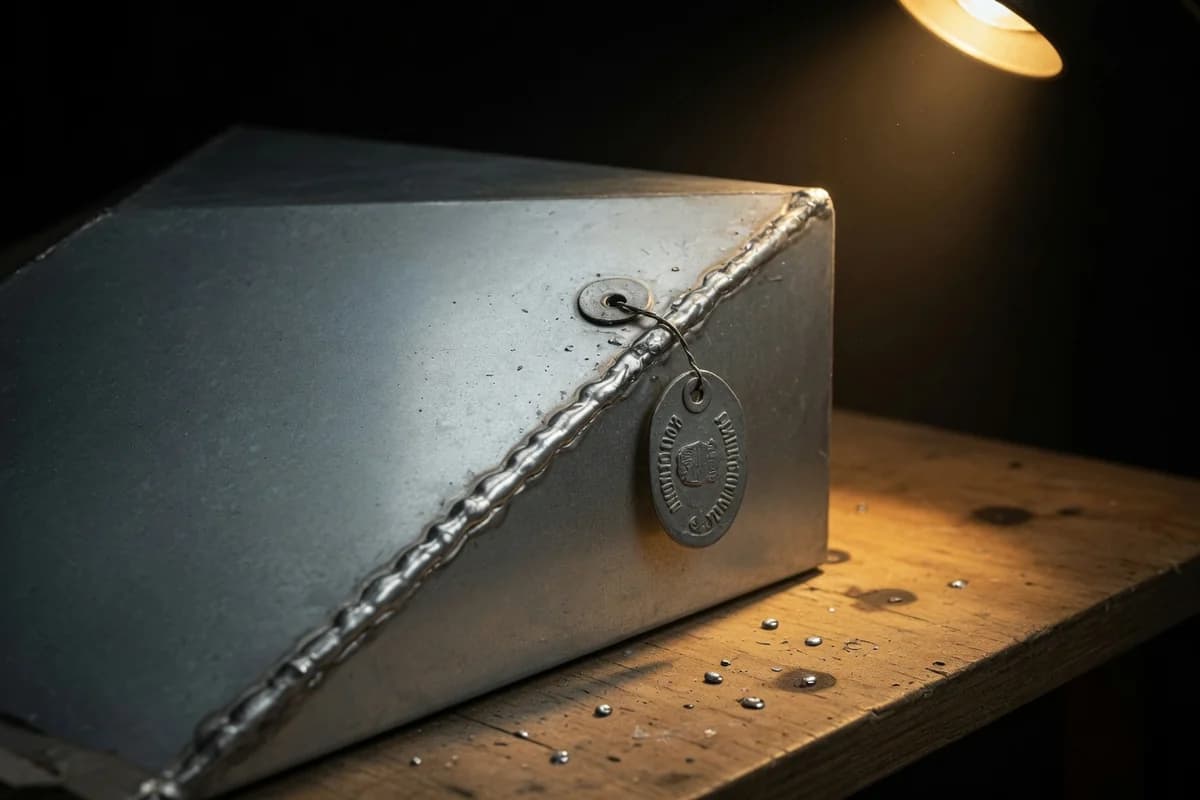
international funeral transport — across borders. Illustrative image.
What international funeral transport is
International funeral transport is the cross-border movement of a deceased person, in line with sanitary rules and customs formalities. It can be toward Romania (repatriation) or from Romania to another country.
Unlike domestic collection and transport, the international one requires a sealed zinc casket, a mortuary passport and a consular clearance. See also the repatriation service.
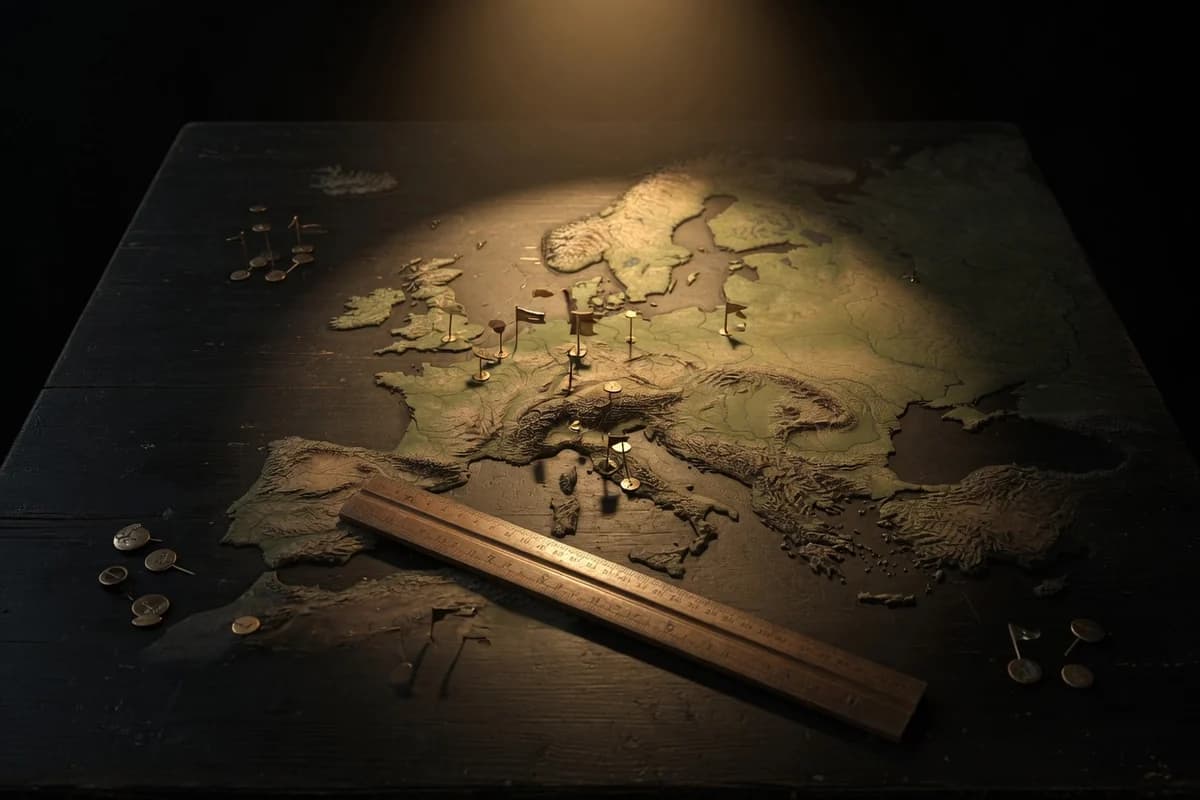
Illustrative image: international funeral transport, by road or air.
The zinc casket and required documents
International transport requires special documents and a special casket, mandatory for sanitary reasons:
Sealed, soldered zinc casket, placed inside the wooden casket
Mortuary passport, the document allowing border crossing
Death certificate, translated and, where needed, apostilled
Consular clearance from the destination country
Embalming certificate, for long distances
Road or air transport
The choice between road and air depends on distance, cost and urgency:
Illustrative image: road and air routes used for international transports.
Transport type
Suited for
Duration
Road
Neighbouring and nearby countries (Europe)
1–4 days
Air
Long distances (Spain, USA, Gulf)
3–7 days
Mixed
Combination, by route
Variable
Road vs. air transport — comparison. For air transport, the casket travels as special cargo, in the aircraft hold.
Consular formalities
Crossing borders requires consular clearance. We obtain the clearance from the destination country's consulate and the accompanying documents.
For transport from Romania, we coordinate with the destination country's consulate. For transport to Romania, with the Romanian consulate in the country of departure. See the repatriation guide.
How the transport unfolds, step by step
The process follows a clear order, which we coordinate from start to finish:
Preparation of the deceased and embalming
Sealing in the zinc casket, sanitary-verified
Obtaining the mortuary passport and clearances
Choosing the route — road or air
The transport itself, with accompanying documents
Handover at destination to the family
To Romania or from Romania
Most transports are repatriations — bringing home Romanians who died abroad. See the country pages, for example Italy or Germany.
We also handle transport from Romania, when a foreign citizen who died here must be taken to their country. We coordinate the whole process, in both directions.
Cost of international transport
The cost depends on distance, transport type and formality complexity. Intra-EU repatriations generally cost between €2,000 and €5,500; intercontinental ones from $4,900.
We give you a clear quote up front. The family does not deal with the casket, sealing, papers or carriers — we coordinate everything.
Who handles everything
The family calls us, and we handle the casket, sealing, documents, route and transport. You do not travel and do not negotiate with foreign institutions.
We answer day and night. For a no-obligation discussion, call us or see the repatriation service.
LOCAL COVERAGE
Where do we provide international funeral transport in Bucharest and Ilfov?
We cover all six sectors of Bucharest and the towns of Ilfov county. Pick your area for local details: arrival times, cemeteries and nearby landmarks.
Select Bucharest or Ilfov for local international funeral transport pages.
FREQUENT QUESTIONS
What families ask about international funeral transport: documents, routes and cost
What is international funeral transport?
It is moving a deceased person from one country to another, by road or air, with sanitary rules and customs formalities. It can be to or from Romania.
How does it differ from repatriation?
Repatriation is bringing home a Romanian who died abroad. International transport is the transport service itself, in any direction — including from Romania.
What documents are needed?
A sealed zinc casket, a mortuary passport, a translated and possibly apostilled death certificate, consular clearance, and an embalming certificate for long distances.
Why is a zinc casket required?
Because international transport requires a sealed casket, for sanitary reasons. The soldered, sealed zinc layer is placed inside the wooden casket.
Road or air — how to choose?
Road for nearby European countries (1–4 days); air for long distances such as Spain, USA or the Gulf (3–7 days). The choice depends on distance, cost and urgency.
How much does international transport cost?
Intra-EU repatriations generally cost between €2,000 and €5,500; intercontinental ones from $4,900. Cost depends on distance and formalities.
How long does it take?
By road, 1–4 days; by air, 3–7 days, depending on the country and the speed of formalities. We give a clear timeframe when setting the route.
What is the mortuary passport?
It is the document that allows border crossing with a deceased person. It is issued by the sanitary authority, after embalming and sealing of the zinc casket.
Does the family handle the formalities?
No. We coordinate the casket, sealing, papers, route and transport. The family does not travel and does not negotiate with foreign institutions.
Can ashes be transported abroad too?
Yes. If a cremation took place, the urn with ashes is transported more simply and cheaply than a body, with the certificate and accompanying documents.
Who obtains the consular clearance?
We do. We obtain the clearance from the destination country's consulate, alongside the mortuary passport and the rest of the accompanying documents.
Do you transport from Romania to another country?
Yes. When a foreign citizen who died in Romania must be taken to their country, we arrange the international transport, with the same formalities.
Who pays for international transport?
Usually the family. In some cases, a work, travel or repatriation insurance may cover part of it. Check the deceased's documents.
Is embalming required?
Yes, for long distances and air transport, embalming is mandatory, alongside the zinc casket, for sanitary reasons.
What happens at destination?
On arrival, we pick up or hand over the deceased, depending on direction, and coordinate the local formalities — transcribing documents and organising the funeral.
How do I contact you for international transport?
Call us and tell us the country, the place of death and the existing documents. We set the route, cost and timeframe, then coordinate the whole process.
RELATED SERVICES
Related services we provide
International funeral transport from Bucharest
Local page by district: neighbourhoods, cemeteries, collection times. 24/7 funeral home.