GUIDE · TYPES OF CASKETS

Types of caskets: materials, models, and how to choose

In short: caskets differ by material — pine, beech, oak, or mahogany — and by model, from simple to deluxe. For cremation, a light wood casket with no metal is used; for repatriation (international transport), a sealed zinc casket is placed inside the wood one. Child-size caskets also exist. The choice depends on tradition, the type of ceremony, and budget. This guide presents the types of caskets and helps you choose the right one.

Updated: 22 June 20261,650 wordsReviewed by Andrei
sobru.ro — Romanian funeral services
Illustrative image for the guide above.

What types of caskets are available

Caskets are chosen by material, model, and intended use. The material determines appearance and durability; the model, simplicity or elegance; the intended use — burial, cremation, or repatriation — sets its own requirements.

Whatever type you choose, a casket is a mark of respect for the deceased. We help you find one that fits your family's tradition and budget.
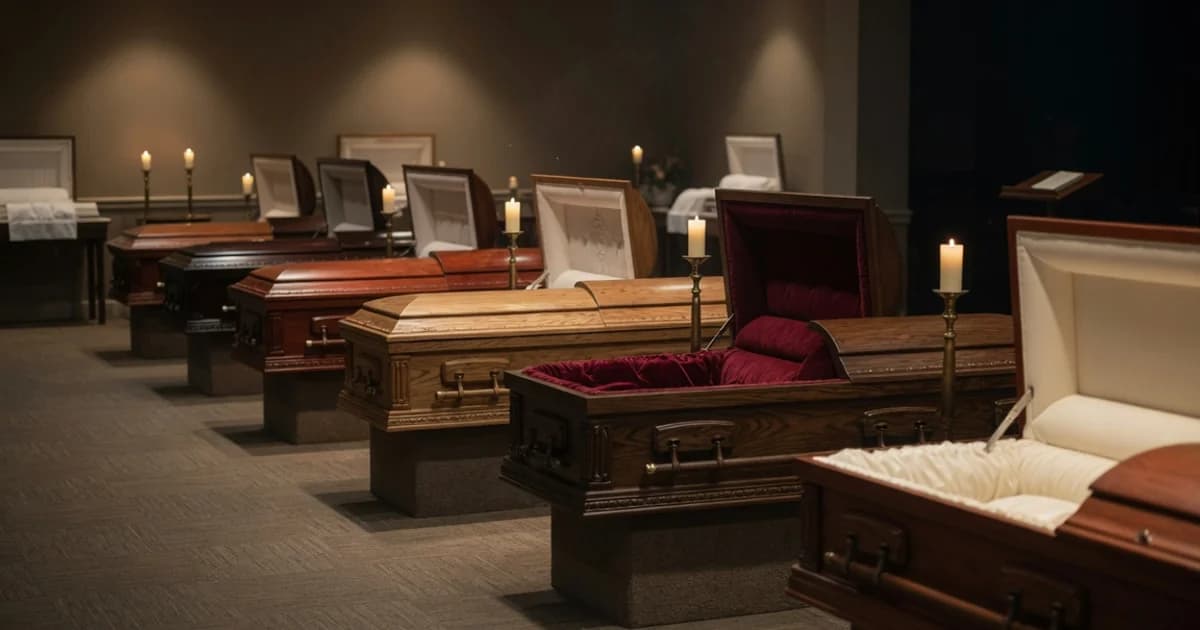
Quiet showroom with a row of wooden caskets on display
Illustrative image: choosing a casket, by material and model.

Caskets by material

The wood species is the first choice. Each species has its own look, weight, and price:

MaterialAppearancePrice
PineLight, simpleMost affordable
BeechEven, pleasantMid-range
OakSolid, nobleHigher
MahoganyDark, elegantPremium
Common casket materials.

Simple or deluxe caskets

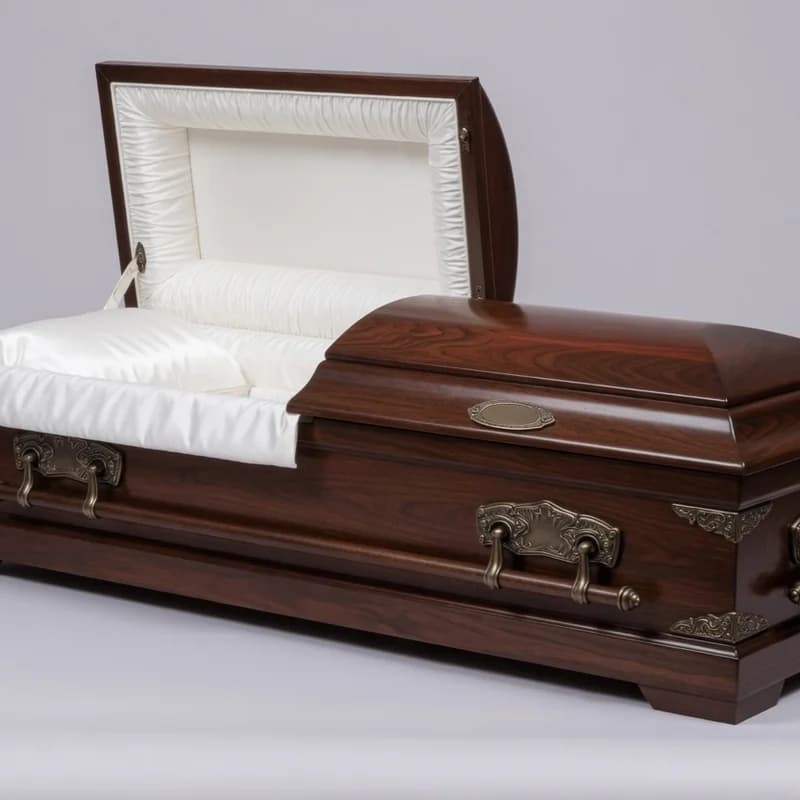
Beyond material, caskets differ in finish and ornamentation. A simple casket has clean, sober lines; a deluxe casket has polished wood, ornate handles, and interior lining.

The choice is the family's, based on their wishes and budget. See also the guide on how to choose a casket for the complete decision.

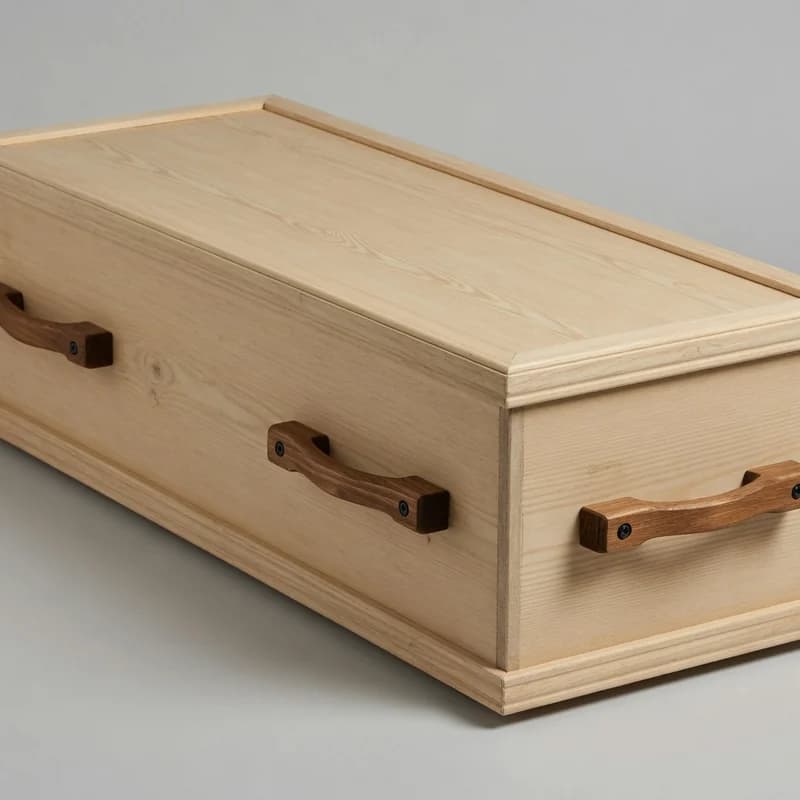
Natural pine casket with closed lid, simple finish
Illustrative image: pine casket, simple and sober model.

Cremation caskets

For cremation a light wood casket is used — no metal elements and nothing that won't burn. The crematorium requires this type of casket.

A cremation casket is usually simple, because it is cremated along with the deceased. Deluxe caskets are not chosen for cremation.

Zinc casket for repatriation

For repatriation and international transport, a sealed, welded zinc casket is required, placed inside the wooden casket.

The zinc layer is mandatory for sanitary reasons when crossing borders. See also the guide on the mortuary passport (pașaport mortuar).

Romanian Law 102/2014 on cemeteries and funeral services

Child caskets

Child-size caskets are available, made with the same care and attention. We handle these situations with particular gentleness and respect.

We walk alongside you with compassion in such a loss and help with every aspect of the preparation, so you are not alone.

How to choose the right casket

The choice comes down to a few simple things:

  • The type of ceremony — burial, cremation, or repatriation
  • Tradition and the wishes of the deceased and the family
  • The material and model that feel right
  • The available budget

What a casket costs

Price depends on material and model. A pine casket is the most affordable; oak or mahogany, deluxe models, cost more. The zinc casket is an additional cost for repatriation.

We show you the models and prices and help you choose without paying for what you don't need. See also the caskets available.

Casket accessories

Beyond the casket itself, a few accessories complete the final appearance:

  • The cross on the lid, for a Christian funeral
  • The handles, plain or ornate, depending on the model
  • Interior lining, white or cream
  • The pillow and cover
  • The nameplate with the deceased's name

How we can help

We present the types of caskets, advise you based on ceremony and budget, and prepare the chosen casket as part of the complete funeral service.

We answer day and night. For a no-obligation conversation, call us or browse the range of caskets.

STEP BY STEP

Steps summary

  1. 01

    Confirm the type of ceremony

    Burial, cremation, or repatriation — each has its own requirements for the casket.

  2. 02

    Choose the material and model

    Pine, beech, oak, or mahogany; simple or deluxe, based on tradition and budget.

  3. 03

    Add any special requirements

    A light, metal-free casket for cremation; a zinc casket for repatriation.

OFFICIAL SOURCES

Information verified with

FREQUENT QUESTIONS

What families ask most often

  • What types of caskets are there?

    Caskets in pine, beech, oak, or mahogany, simple or deluxe, plus special caskets — light ones for cremation and zinc ones for repatriation. The choice depends on the ceremony and budget.

  • Which is the cheapest casket?

    A pine casket — a light, pale wood — is the most affordable. Oak and mahogany, solid and elegant, cost more.

  • What casket is used for cremation?

    A light wood casket with no metal and nothing that won't burn. The crematorium requires this type, because the casket is cremated along with the deceased.

  • What is a zinc casket?

    A sealed, welded zinc layer placed inside the wooden casket, required for repatriation and international transport for sanitary reasons.

  • What is the best wood for a casket?

    It depends on preferences and budget. Oak and mahogany are noble and durable; pine and beech are more affordable. All are suitable for a dignified funeral.

  • Is a deluxe casket worth it?

    That is for the family to decide. A deluxe casket has polished wood, ornate handles, and quality lining. What matters is respect for the deceased, not the price.

  • Are child caskets available?

    Yes, in appropriate sizes, made with the same care. We handle these situations with particular gentleness and accompany you with compassion.

  • How much does a casket cost?

    It depends on material and model. Pine is the most affordable; oak and mahogany are premium. The zinc casket is an additional cost for repatriation.

  • Can I choose the casket model myself?

    Yes. We show you the models and prices, and the choice is yours based on your wishes and budget. We advise you, without pushing.

  • Is the casket closed at the wake?

    At the wake, the casket is usually open, for a final farewell. It is closed before the church service or cremation.

  • What lining does a casket have?

    The casket interior has textile lining, white or cream. On deluxe models, the lining is richer and more refined.

  • Does the casket have a cross on the lid?

    Usually yes, on caskets for a Christian funeral. The cross on the lid is a sign of faith. The model is chosen according to the family's tradition.

  • Can I bring my own casket?

    As a rule, the funeral home provides the casket. If you have a specific requirement, let us know and we will find the right solution within the applicable regulations.

  • What casket suits a larger person?

    Oversized caskets are available — wider and sturdier, for a dignified placement. We help you choose the right model.

  • How do you help me choose a casket?

    We present the types of caskets, advise you based on ceremony and budget, and prepare the chosen casket as part of the complete funeral service.

  • Can I see the casket before choosing?

    Yes. We show you the available models with materials and prices, so you can choose with full information, based on your wishes and budget.

  • Is oak heavier?

    Yes. Oak and mahogany are solid, heavy woods — heavier than pine or beech. An oak casket therefore usually requires more pallbearers.

  • What casket suits a sober ceremony?

    A casket with simple lines, in pine or beech, with a sober finish. Sobriety is about the model, not necessarily the price.

READ ALSO

Related guides

QUESTIONS?

Call us for guidance

We answer day and night. We explain your family's specific situation with no commercial pressure.

0739 592 835WhatsApp