GUIDE · CIVIL CEREMONY

The civil funeral ceremony: how it works

A civil ceremony — also called a lay or secular funeral — is a farewell without a religious service. The family and the officiant freely decide on the form: the venue, the order of events, the words spoken, and the music — all according to the wishes of the departed. Romanian law recognises the civil funeral, leaving the organisers to determine how the ceremony unfolds. The officiant, a master of ceremonies or a close person to the family, does not need to be formally accredited. This guide explains who officiates, how the ceremony proceeds, and a possible structure — with full respect for the memory of the departed.

Updated: 22 June 20261,650 wordsReviewed by Andrei
sobru.ro — Romanian funeral services
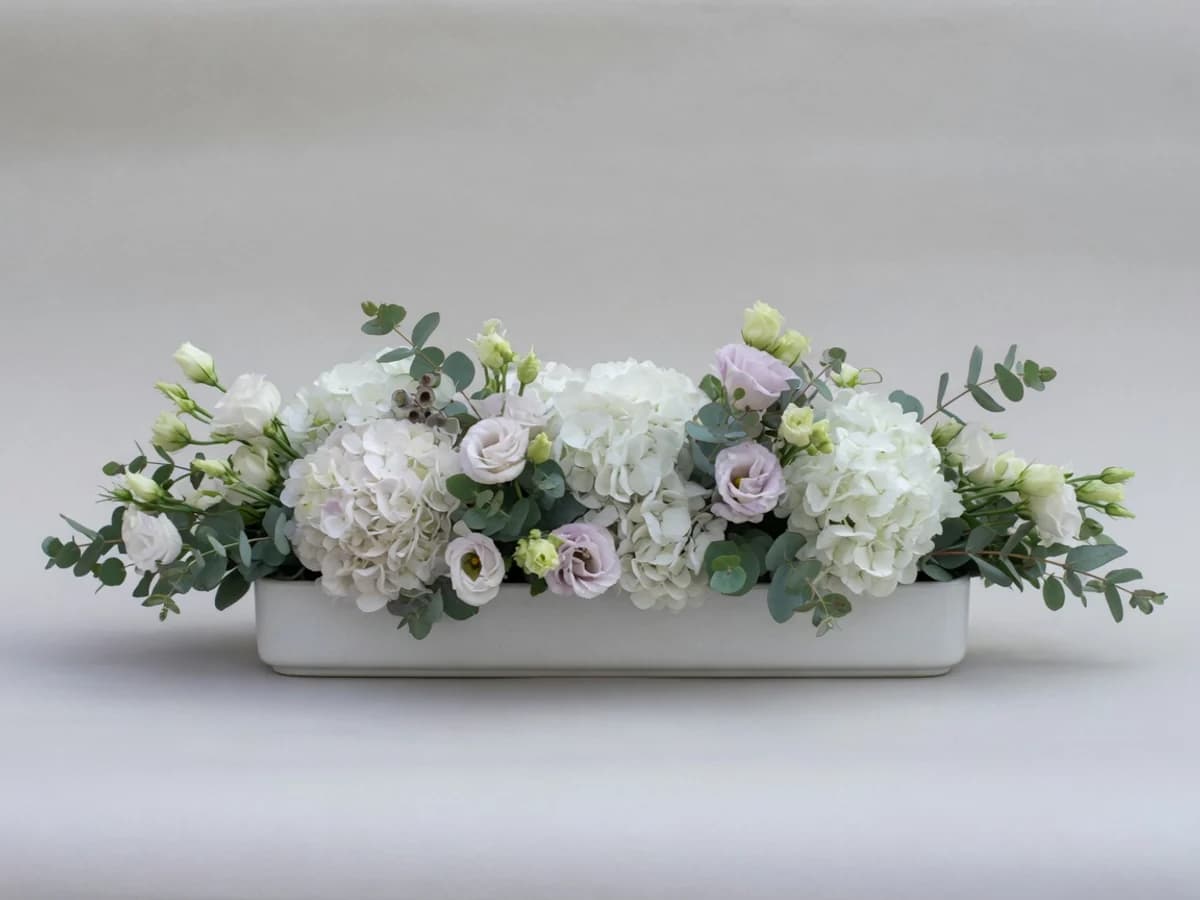
Illustrative image for the guide above.

What is a civil ceremony?

A civil ceremony is a farewell tribute with no religious component. There is no service — instead there are words, memories, music, and moments of reflection, chosen by the family.

It is suitable for those who were not attached to a particular faith, or who wished for a personal farewell without the structure of a church rite.
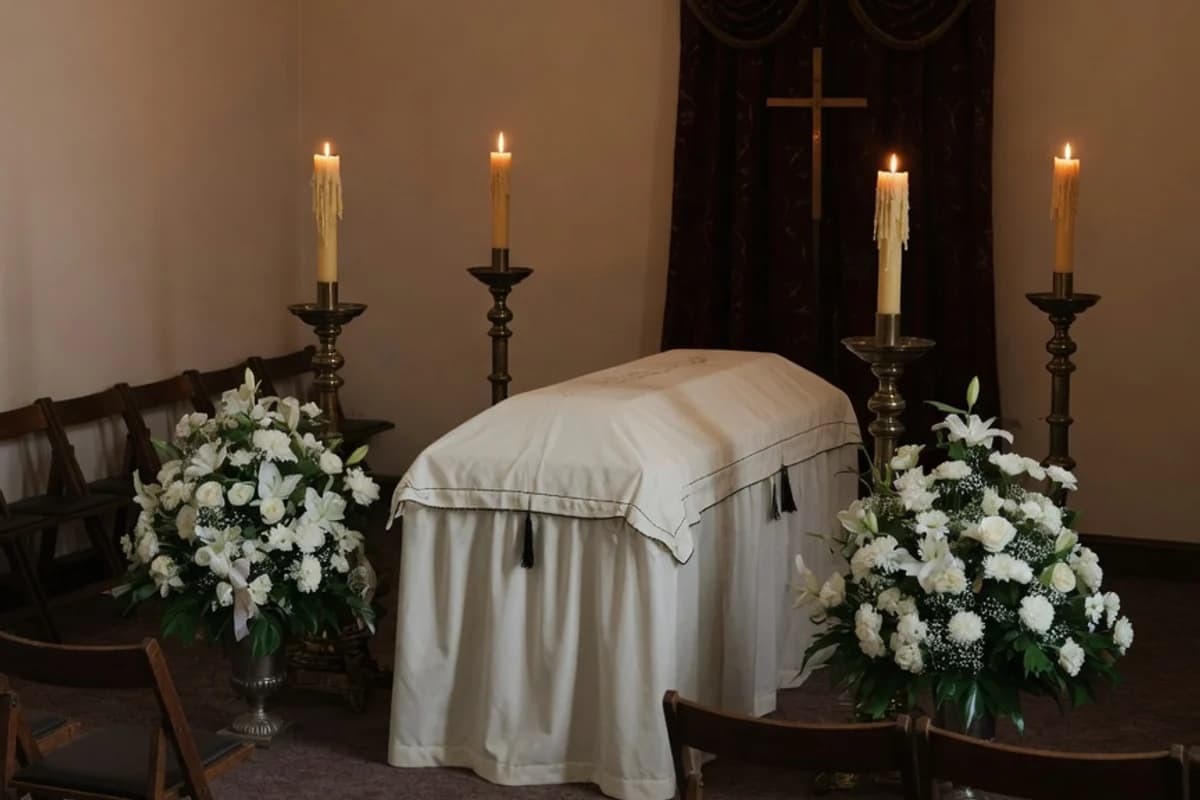
Chapel prepared for a wake: catafalque, candles, flowers
Illustrative image: a civil farewell ceremony.

What the law says

Romanian law recognises both religious and civil burial. In a religious funeral, the canons and tradition of the relevant faith are followed; in a civil funeral, the organisers determine how the ceremony proceeds.

The civil ceremony is not regulated in detail, which means complete freedom in designing it.

Law no. 102/2014 on cemeteries and funeral services

Who officiates?

The civil ceremony is led by a master of ceremonies, who does not represent any religious body. He or she coordinates the proceedings and speaks the farewell words according to the family's wishes.

Because the ceremony is not regulated, the officiant does not need formal accreditation — it can be a friend or a family member who understands the wishes of those who are grieving.

Who is it suitable for?

The civil ceremony suits several situations:

  • People who were not attached to a particular faith
  • Families who want a personal farewell rather than a religious one
  • Those who have left written instructions requesting a civil ceremony
  • Families with different beliefs who choose a neutral form

A possible order of events

The civil ceremony has no fixed structure, but many follow a similar thread:

  • Welcoming those present and an opening word
  • Evoking the life of the departed — an obituary or shared memories
  • A musical moment — a piece of music meaningful to the departed
  • A moment of silent reflection
  • The farewell words and the final tribute
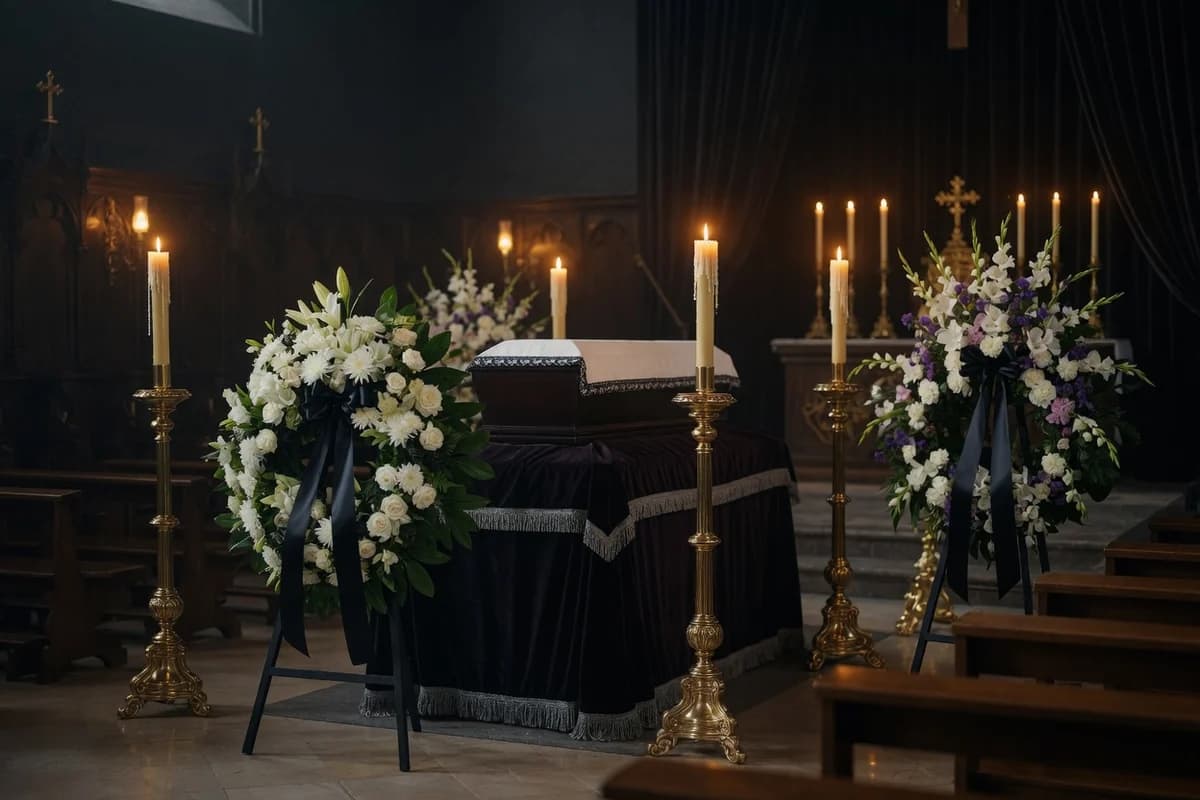
Chapel arranged for a service: tall candles, wreath stands, draped catafalque, no people
Illustrative image: a space prepared for a civil ceremony.

Words and memories

The heart of the civil ceremony is the spoken word — an obituary, memories shared by those close to the departed, a poem, or a text meaningful to the person who has gone.

Those close to the departed can be invited to say a few words. Prepared in advance, these contributions give warmth and depth to the occasion.

Music and personal symbols

Music plays an important role — a piece meaningful to the departed or a quiet, contemplative melody. Personal symbols can also be included: photographs, cherished objects, candles.

Flowers are chosen with the same sobriety as for any ceremony. Everything is matched to the personality and life of the departed.

The civil ceremony and cremation

A civil ceremony pairs naturally with cremation, increasingly chosen by families who prefer a non-religious farewell.

It can be held before the cremation or at the interment of the urn, according to the family's wishes.

How we help

We organise the civil ceremony according to your wishes — the venue, the officiant, the words, the music, and the personal symbols — for a dignified and personal farewell. See also our civil ceremony service.

We are available day and night. For a no-obligation conversation, call us.

STEP BY STEP

Steps summary

  1. 01

    Decide on the form of the ceremony

    The civil ceremony has no fixed structure. Choose the venue, the officiant, and the sequence of events, according to the wishes of the departed.

  2. 02

    Choose the words and the music

    An obituary or shared memories, a meaningful piece of music, a moment of silent reflection, and personal symbols.

  3. 03

    Prepare the officiant and the space

    A master of ceremonies or a close person leads the ceremony. Prepare the space, the seating, and the order of events.

FREQUENT QUESTIONS

What families ask most often

  • What is a civil ceremony?

    It is a farewell without a religious service, consisting of words, memories, music, and moments of reflection chosen by the family according to the wishes of the departed.

  • Is a civil ceremony permitted by law?

    Yes. Romanian law recognises both religious and civil burial. In a civil funeral, the organisers determine how the ceremony proceeds.

  • Who officiates at a civil ceremony?

    A master of ceremonies, who does not represent any religious body, or a close person to the family. Because it is not regulated, the officiant does not need formal accreditation.

  • Who is it suitable for?

    For those who were not attached to a particular faith, for families who want a personal farewell, or for those who have left written instructions requesting a civil ceremony.

  • How does the civil ceremony proceed?

    It has no fixed structure. Many follow a thread: welcoming those present, evoking the person's life, a musical moment, a moment of silent reflection, and the farewell word.

  • What is said at a civil ceremony?

    An obituary, memories shared by those close to the departed, a poem, or a text meaningful to the person who has gone. Those close to the deceased can be invited to speak.

  • Can music be played?

    Yes. Music plays an important role — a piece meaningful to the departed or a quiet melody. The civil ceremony allows complete freedom in this choice.

  • What is the difference from a religious ceremony?

    A religious ceremony follows the service and the rites of the relevant faith. The civil ceremony has no religious component; the family and the officiant determine the form.

  • Does the civil ceremony pair well with cremation?

    Yes, often. Many families who choose cremation prefer a civil ceremony. It can be held before the cremation or at the interment of the urn.

  • Can the ceremony be personalised?

    Yes, completely. Words, music, symbols — photographs, cherished objects, candles — are all chosen freely, matched to the personality and life of the departed.

  • Where is the civil ceremony held?

    At a chapel, at the cemetery, at the crematorium, or in another suitable space. Not being tied to a church, it has freedom of venue as well.

  • Can it include spiritual elements?

    Yes, if the family wishes — a moment of silence, a meaningful poem. The civil ceremony is not religious, but it can be warm and full of meaning.

  • How long does a civil ceremony last?

    Usually between thirty minutes and one hour, depending on how many elements it includes. The family decides the length, with no imposed duration.

  • Who can speak at the ceremony?

    Anyone among those close — family, friends, colleagues. Words prepared in advance give warmth and depth to the farewell.

  • How do you help with a civil ceremony?

    We organise the ceremony according to your wishes — the venue, the officiant, the words, the music, and the personal symbols — for a dignified and personal farewell.

  • Who can be the master of ceremonies?

    An officiant specialising in civil ceremonies, or a close person to the family. Because the ceremony is not regulated, no formal accreditation is required.

  • Can the civil ceremony be held at the cemetery?

    Yes. It can be held at a chapel, at the cemetery, at the crematorium, or in another suitable space. It is not tied to any particular place.

  • Is a civil ceremony cheaper?

    The cost depends on the services chosen — venue, flowers, music, officiant — not on whether the ceremony is religious or civil. We provide a clear quote once you have chosen the elements you want.

  • Can there be moments of silence?

    Yes. A moment of silent reflection is common at civil ceremonies. It gives everyone the space to say their private farewell.

  • Can poems or texts be read?

    Yes. A poem, a text meaningful to the departed, or the words of those close to the person give depth to the ceremony. Everything is chosen freely, to match the person's character.

  • Are wreaths and flowers used at a civil ceremony?

    Yes, as at any ceremony. Flowers — wreaths, sprays, bouquets — are chosen with sobriety and form part of the farewell, whatever the form of the ceremony.

  • Can guests be invited to speak?

    Yes. Those close to the departed — family, friends, colleagues — can be invited to speak. Words prepared in advance give warmth to the moment.

  • What if I want a civil ceremony but the family is religious?

    A middle ground can be found — a civil ceremony with a moment of reflection or a short prayer. What matters is respecting the wishes of the departed.

  • Can photographs and video be used?

    Yes. Photographs, a short film, or a slideshow of moments from the person's life are appropriate and give the civil ceremony a personal character.

  • How much time does preparing a civil ceremony take?

    It is prepared in the days before the funeral. Being free in form, it only requires agreeing on the sequence of events, the officiant, and the venue.

  • Is a civil ceremony suitable for a child?

    Yes, if the family prefers a neutral form. A gentle and personal civil ceremony can be a dignified farewell, according to the parents' wishes.

  • Can I leave written instructions requesting a civil ceremony?

    Yes. You can record your wish in your funeral wishes, so the family can know and honour it.

  • Can the civil ceremony include a spiritual moment?

    Yes, if the family wishes — a silence, a thought, a meaningful text. The civil ceremony is not religious, but it can be warm and full of meaning.

  • Who handles the sound and the space?

    The funeral home prepares the space, the sound system for music and spoken words, and the seating for those present, so that the ceremony flows smoothly.

  • Can the civil ceremony be held outdoors?

    Yes. It can be held outdoors, at the graveside or in a suitable open space. The freedom of form of the civil ceremony allows for this.

  • Can a civil ceremony be short?

    Yes. It can be short and simple — a few words, a moment of silence, and a farewell. The family decides the length.

READ ALSO

Related guides

QUESTIONS?

Call us for guidance

We answer day and night. We explain your family's specific situation with no commercial pressure.

0739 592 835WhatsApp