
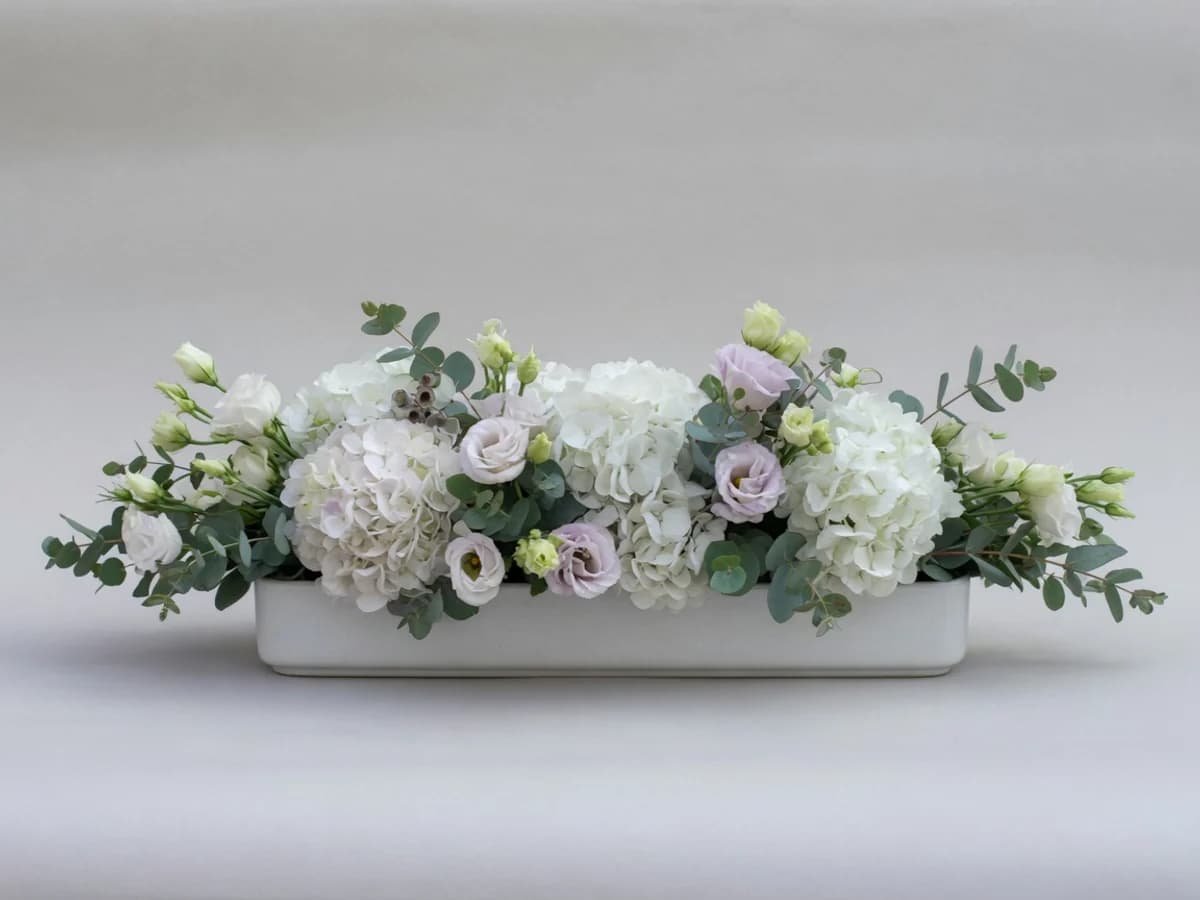
What a secular ceremony is
A secular ceremony is a farewell without a religious service. It suits those who were not religious, those of a different faith, or families who prefer a personalised goodbye centred on the life of the person who has died.
In place of a religious service, the ceremony includes eulogies, shared memories, music, and moments of silence. It is an alternative to the traditional religious ceremony, equally dignified and moving.
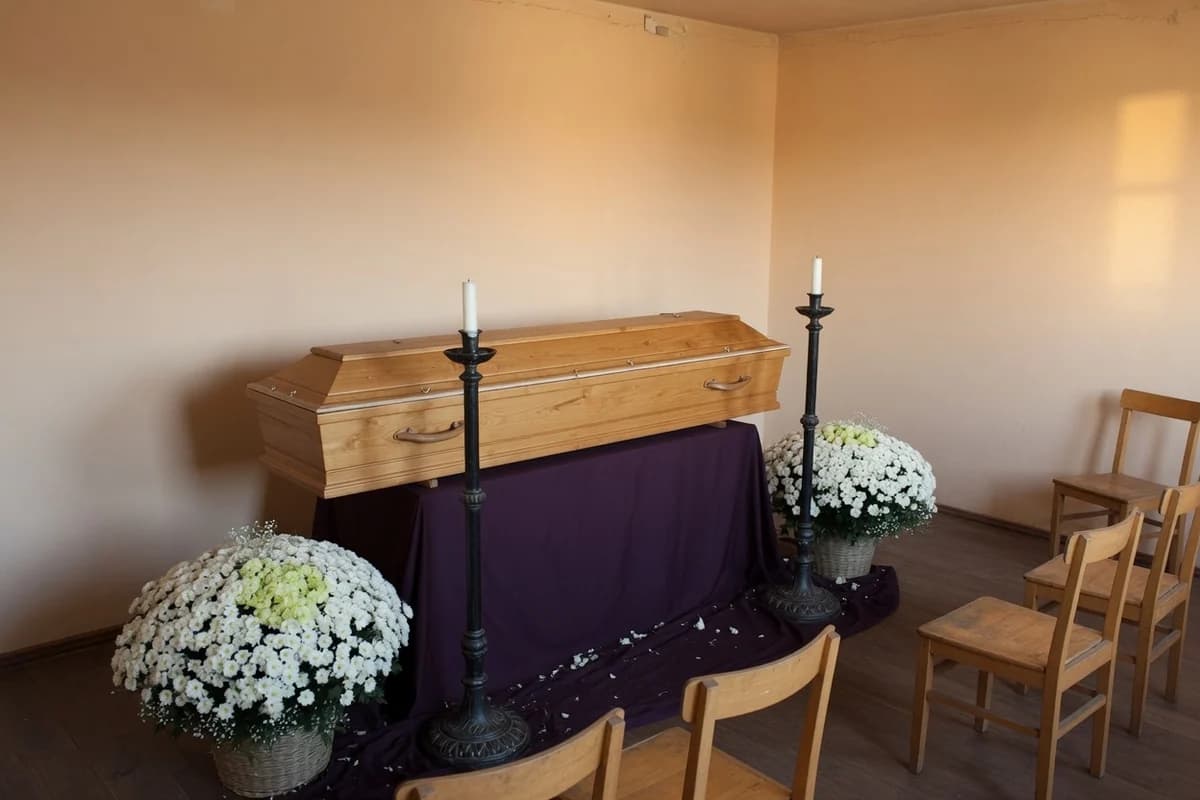
Who it is right for
A secular ceremony is chosen in several situations:
- Someone who was not religious or not a practising believer
- A family preferring a personalised farewell, not a standard service
- Someone of a faith other than Orthodox Christianity
- A family who want to focus on the life and values of the person who has died
How it unfolds
A secular ceremony has no religious service, but it does have a structure. A celebrant leads it, invites speakers to the lectern, and maintains the pace of the occasion.
The family chooses what it contains — a farewell text, music the deceased loved, tributes from those close to them. Everything centres on the memory and values of the person.
What the ceremony can include
A secular ceremony is made up of moments chosen by the family:
- An opening address by the celebrant
- Eulogies and tributes from family and friends
- Music — pieces the deceased loved
- Moments of silence and reflection
- Photographs or a short film of the person's life
- A symbolic farewell gesture — flowers, candles
Where a secular ceremony is held
The ceremony can be held at a secular chapel, at the crematorium, in a hired hall, or even outdoors. The venue is chosen according to the number of guests and the family's wishes.
At cremation, many secular ceremonies take place in the crematorium hall before the cremation itself. We coordinate the venue and timing.
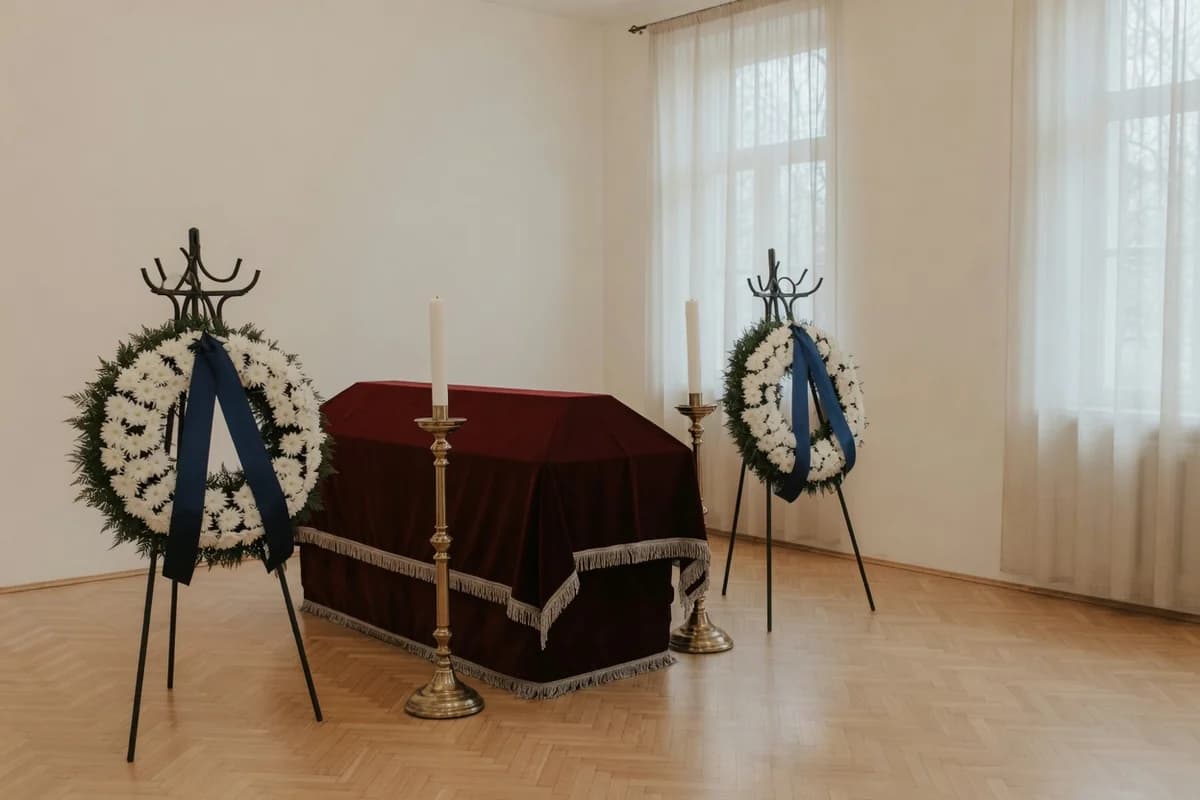
Secular or religious — what is the difference
A religious ceremony follows the form of the Church, with a service led by a priest. A secular ceremony has no service, only a structure chosen by the family, centred on the person.
Both can be dignified and moving. The choice belongs to the beliefs of the deceased and of the family. We advise without imposing anything.
| Aspect | Religious ceremony | Secular ceremony |
|---|---|---|
| AspectWho leads it | Religious ceremonyA priest | Secular ceremonyA celebrant |
| AspectStructure | Religious ceremonyFollows the form of the Church, with a service | Secular ceremonyChosen by the family, centred on the person |
| AspectWhat it includes | Religious ceremonyThe religious service | Secular ceremonyEulogies, music, memories, quiet reflection |
| AspectDuration | Religious ceremony— | Secular ceremonyUsually 30 to 60 minutes |
Both can be dignified and moving; the choice belongs to the beliefs of the deceased and the family.
What is included and what it costs
We provide the celebrant, coordination of the venue, sound equipment, floral arrangements, and any symbolic gestures the family chooses. All elements can be personalised.
The cost depends on the venue, duration, and elements chosen. We give a clear quote in advance. For orientation, see our funeral service prices.
Who handles everything
Tell us how you would like the farewell, and we arrange the ceremony — celebrant, venue, music, flowers, and coordination.
We answer day and night. For a no-obligation conversation, call us or see our page on full ceremony arrangements.