
The wake (priveghi)
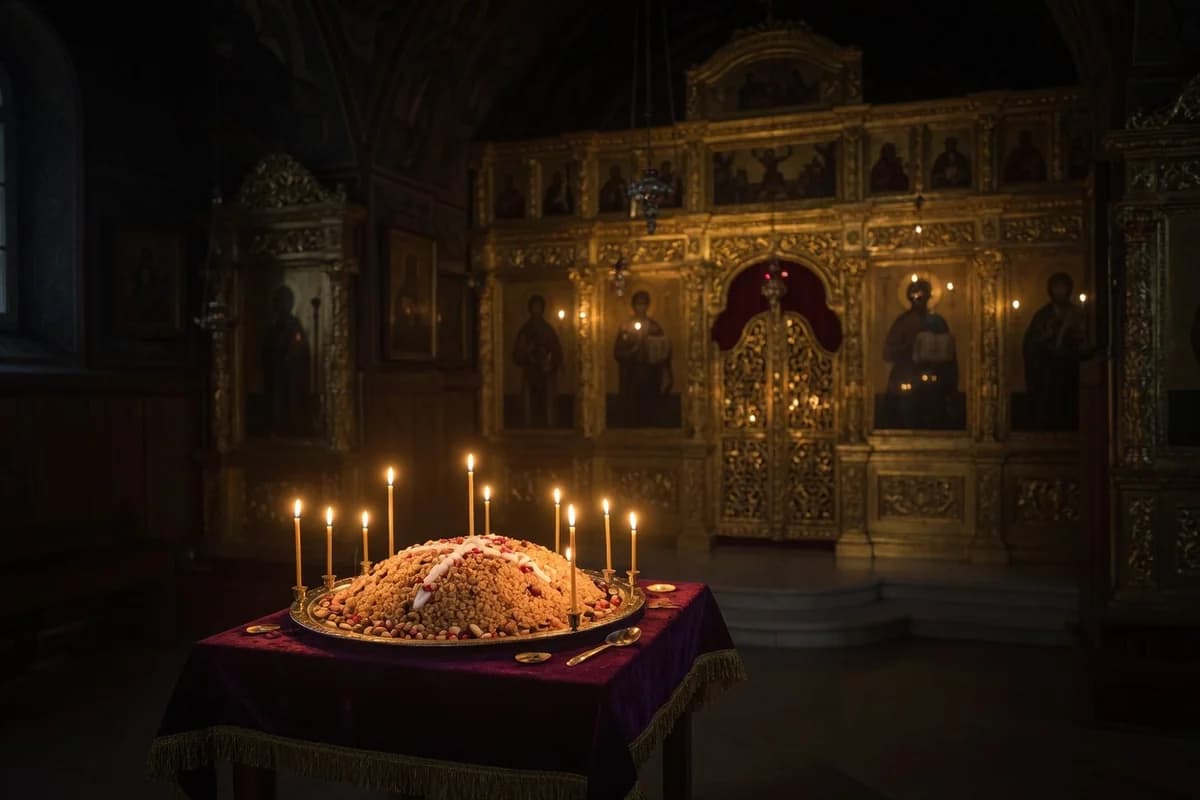
The priveghi is the vigil kept over the departed in the nights before the funeral, at home or at a chapel. Family and close friends stay by the casket, pray, and remember the person who has died.
Tradition holds that the departed should not be left alone. The wake is both a mark of respect and a time of farewell.
In cities, the wake is often held at a chapel, where the family can receive relatives and neighbours without crowding the apartment. A candle burns beside the casket, and those present may read from the Psalter or the funeral prayers.
The candle and the vigil
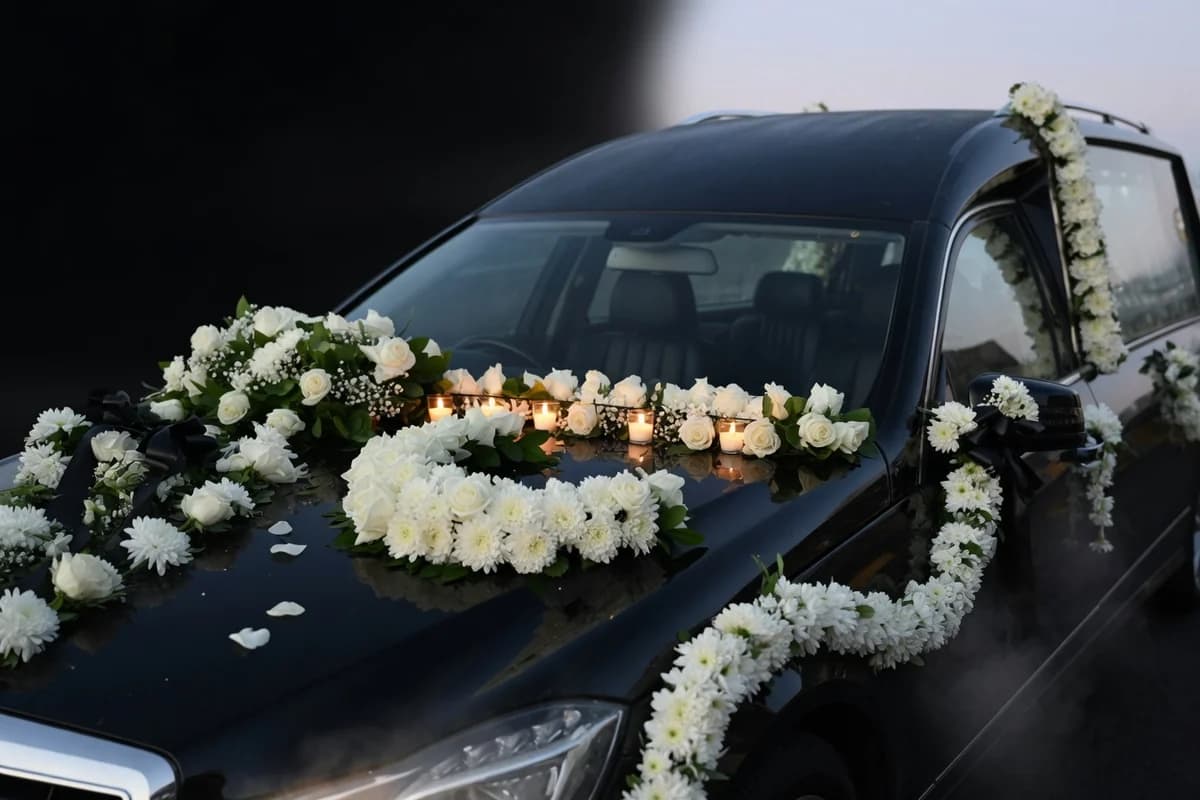
A candle burns continuously beside the departed from the moment of death until the burial. It is the sign of light and prayer — a guide for the soul on its journey.
The candle is said to light the path of the soul. For this reason, in Orthodox tradition, the candle is not extinguished during the wake.
The lament (bocete) and mourning
Bocete are ritual laments — sung expressions of grief through which women honour the memory of the departed. They are an ancient form of mourning, preserved especially in rural areas.
Mourning is part of the tradition, as a release of grief. Today bocete are less common, but respect for the departed remains unchanged.
Coliva and colaci
Coliva, made from boiled wheat sweetened and decorated, is the symbol of resurrection — the grain that dies in the ground and rises again. It is blessed by the priest and distributed to all present.
The colaci, bread, and food are given as pomană. See also the guide on parastase and memorials.
The funeral procession
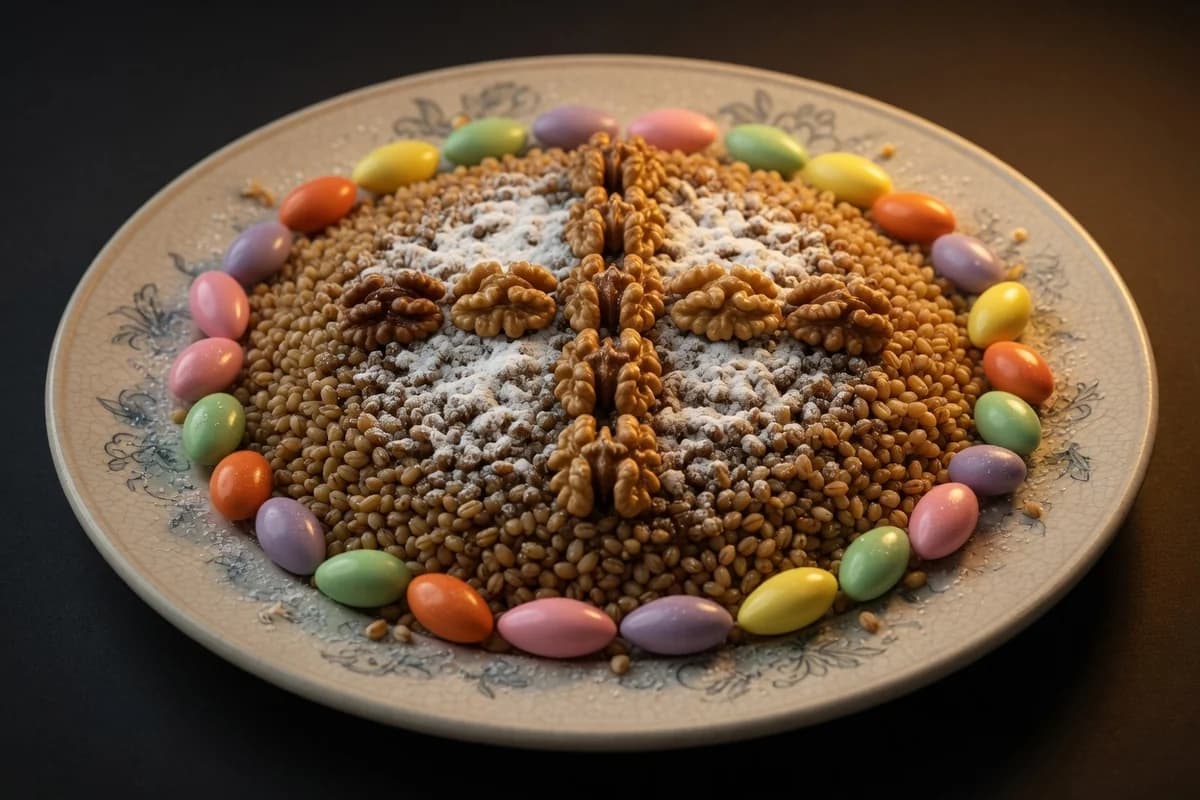
The procession accompanies the casket from the home of the departed to the church and then to the cemetery. At the front goes the cross, followed by the priest, the casket, wreaths, and the mourners.
Along the route, the procession may pause at crossroads (răspântii) where the priest says prayers. It is a tradition of accompanying the departed on the final journey.
The service and the burial
At the church the funeral service — the prohod — is performed, with prayers and chants. The procession then goes to the cemetery for the committal at the grave.
At the graveside, the priest says the final prayers before the casket is lowered into the grave.
Sprinkling earth at the grave
After the casket is lowered, the priest sprinkles earth in the shape of a cross, speaking the words about returning to dust. Then the family and close friends each throw a handful of earth.
This gesture, full of meaning, is the final farewell. Flowers are also laid over the casket before the grave is covered.
| Stage | Where it takes place | What happens |
|---|---|---|
| The wake (priveghi) | At home or at a chapel | The family stays by the casket and prays, with a candle burning, in the nights before the funeral |
| The procession | From the home to the church and cemetery | The cross goes at the front, followed by the priest, the casket, and wreaths; pauses at crossroads for prayers |
| The service (prohod) | At the church | Funeral prayers and chants |
| The committal | At the cemetery | The priest says the final prayers before the casket is lowered |
| Sprinkling the earth | At the graveside | The priest sprinkles earth in the shape of a cross; the family throws a handful of earth, and flowers are laid over the casket |
The memorial services that follow
After the funeral come the memorial services at set dates in the church calendar. They keep the bond with the departed alive and bring the family together in prayer.
At each memorial, the parastas and pomană are held — coliva, colaci, candles. Families note the dates early so they do not clash with other household events. See also the guide on the memorial calendar and its customs.
| Memorial | When | Meaning |
|---|---|---|
| At 3 days | After death | Linked to the Resurrection on the third day |
| At 9 days | After death | Memorial of the angelic hosts |
| At 40 days | After death | The most significant — the soul's journey |
| At 6 months and 1 year | After death | Milestone memorials |
| At 3 and 7 years | After death | Later memorials, by tradition |
Regional variations
Funeral customs differ from one part of Romania to another. Some places preserve the bocete, the poduri (ritual gifts given along the procession route), or other old customs; others follow a more restrained order.
We respect the customs of each family and each region. We will help you observe them, whatever tradition you follow.
Symbols and objects
Orthodox tradition uses objects full of meaning, each with its own significance:
- The candle — light and guide for the soul
- The coliva — the symbol of resurrection
- The cross — the sign of Christian faith
- The pomelnic — the reading of names at the service
- Colaci and pomană — charity for the soul
How we accompany you
We coordinate with the priest on the service and prepare everything needed — coliva, colaci, candles — respecting Orthodox traditions and the family's own customs.
We are available day and night. For a no-obligation conversation, call us or see the page on organising the ceremony.