GUIDE · MOURNING & GRIEF

What is mourning? What it means and how it works in Romania

Mourning is the period of grief that follows the death of someone close — a time when the family expresses sorrow and honours the person's memory. It has an inner dimension — the pain and gradual acceptance of the loss — and an outward one: dark clothes, stepping back from celebrations, and memorial prayers. In Romanian Orthodox tradition, mourning is tied to the memorial services at 40 days, one year, and the ongoing prayer for the departed. How long it lasts and what form it takes varies from family to family. This guide explains the meaning, the timeline, and the customs.

Updated: 22 June 20261,700 wordsReviewed by Andrei
sobru.ro — Romanian funeral services
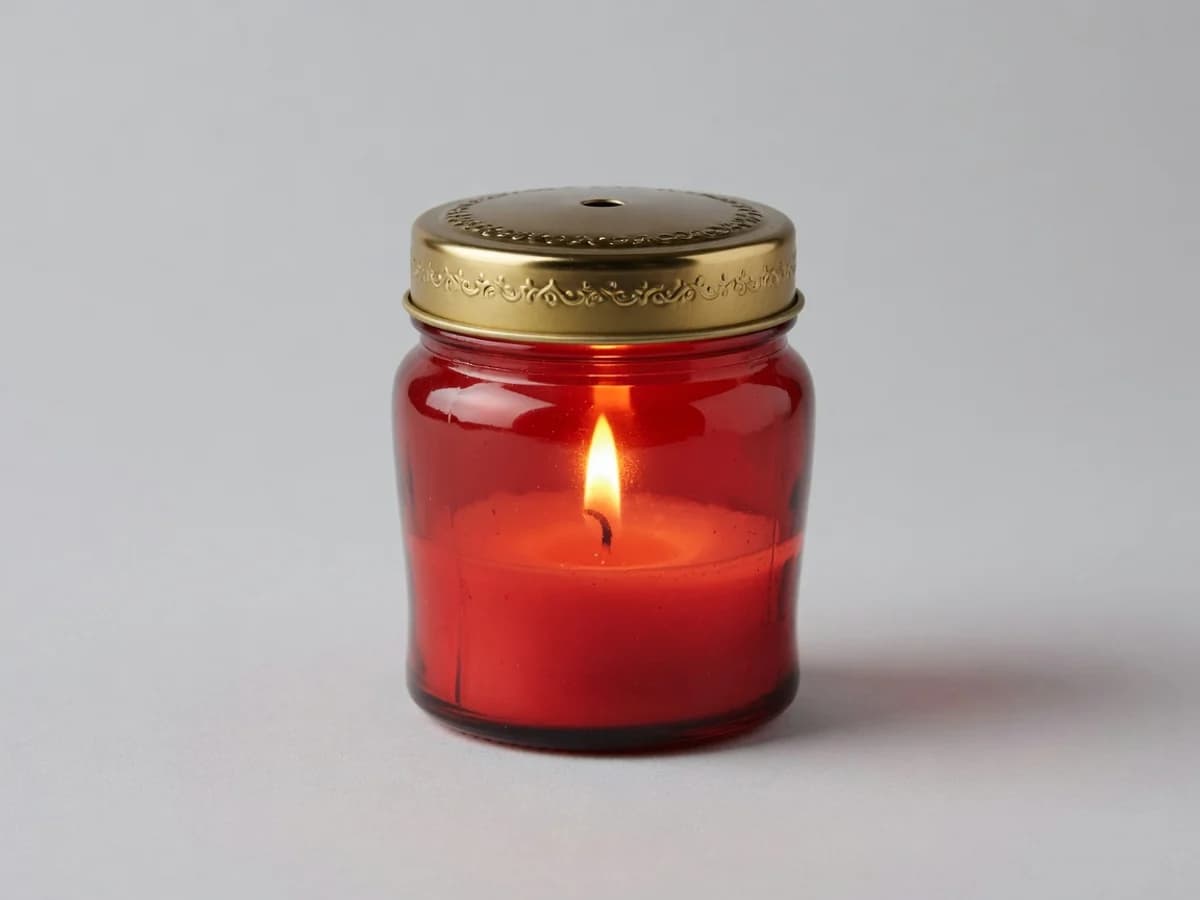
Illustrative image for the guide above.

What mourning is

Mourning (in Romanian: doliu) is the period of grief after the death of someone you love. It is the time in which those left behind live through their loss, remember the person who died, and gradually come to accept the bereavement.

Mourning has two sides: an inner one — the pain and the healing of the soul — and an outward one, expressed through custom: mourning clothes, stepping back from joyful events, and prayers for the departed.
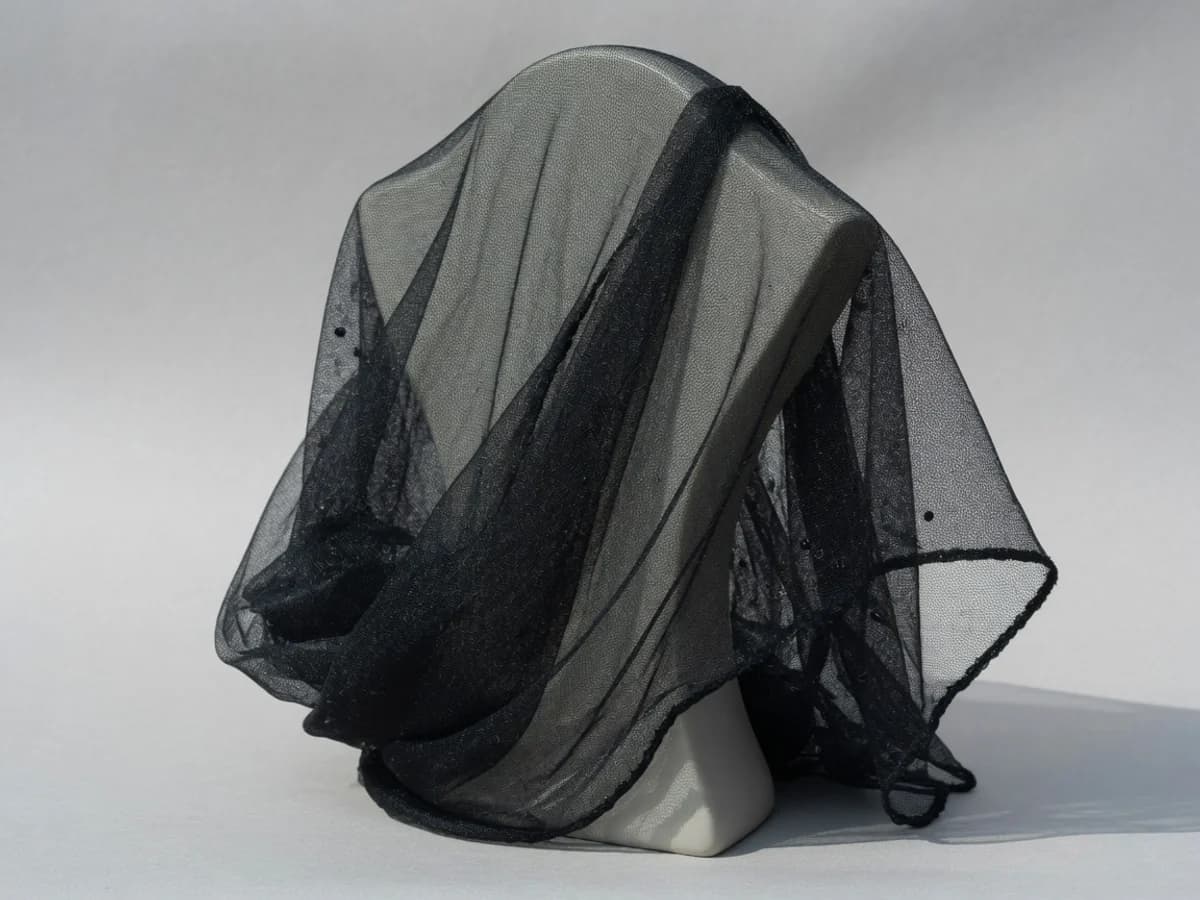
Fine black mourning veil draped over a neutral stand, delicate texture in soft diffused light
Illustrative image: a mourning veil — the traditional outward sign of grief.

The meaning of mourning

Mourning is not only sadness — it is also a mark of respect and love for the person who has died. Through mourning, the family shows that the loss matters and that the memory of the loved one is honoured.

Mourning also has a healing function. Moving through grief alongside others — family, friends, the community — helps the soul accept the loss and, in time, move forward.

How long mourning lasts

There is no law that sets the duration of mourning — it is set by tradition and by each family. In Romanian custom, the first six weeks are described as deep mourning (doliu mare), with a broader mourning period extending to one year.

For spouses, and for parents who lose a child, mourning traditionally lasts longer — often a full year, sometimes more. For more distant relatives, the period is shorter.

StageApproximate durationWhat it marks
Deep mourning (doliu mare)The first 40 daysIntense grief; the 40-day memorial
Full mourningUp to one yearSober dress, stepping back from celebrations
End of mourningAfter one yearThe one-year memorial; gradual return to ordinary life
Stages of mourning in Romanian tradition

Mourning clothes and colours

Black is the colour of mourning in Romanian tradition. Close family members wear black or very dark clothes during the mourning period — especially in the first weeks and at memorial services.

Women traditionally wore a black veil or dark headscarf. Today the outward signs of mourning are more discreet — a black ribbon, a sombre scarf, dark clothing. The signal is still clearly understood.
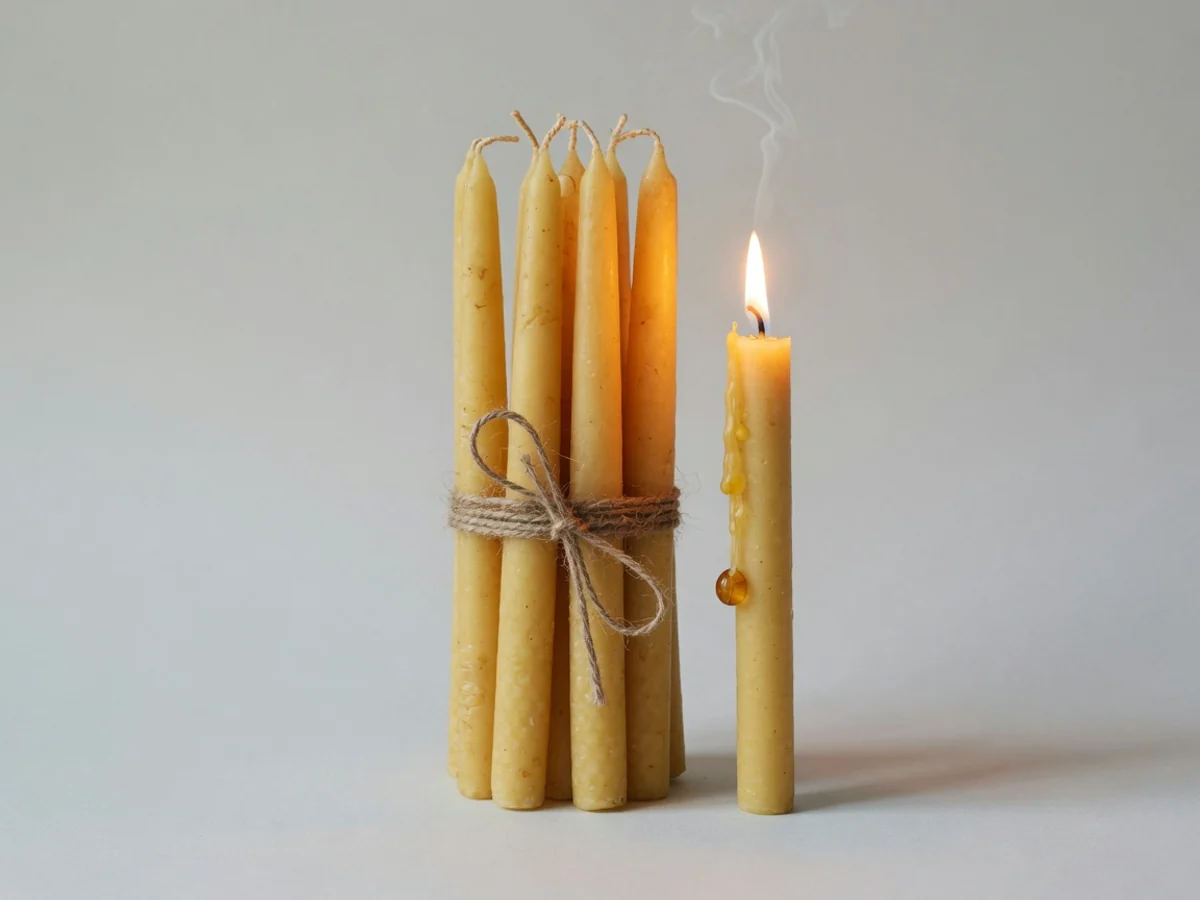
Set of natural beeswax candles tied with twine, one lit candle alongside
Illustrative image: wax candles lit in remembrance of the departed.

Mourning in Orthodox tradition

In Orthodox belief, mourning is accompanied by prayer and memorial services (parastas) for the soul of the departed. The most important dates are 3 days, 9 days, 40 days, 6 months, and one year after the death.

The 40-day memorial is especially significant — it is linked to Orthodox beliefs about the journey of the soul. See also memorial services and the memorial calendar.

Romanian Orthodox Church — Romanian Patriarchate

What to avoid during mourning

By tradition, the family in mourning steps back from certain things as a mark of respect:

  • Parties, weddings, christenings, and festive events
  • Loud music and entertainment
  • Brightly coloured or festive clothing
  • Leisure travel, especially in the first weeks

How mourning is observed today

Customs have shifted over time. Many families observe deep mourning for the first 40 days and then gradually return to ordinary life, keeping the memory of the person alive inwardly.

The outward form of mourning today is more discreet, but the meaning remains. What matters is respect for the person who has died and support among family members.

Support during mourning

Grief is hard to carry alone. The support of family, friends, and community matters enormously. A kind word, a visit, a shared prayer — all bring comfort.

For those going through acute grief, support from a priest or a counsellor can help. Asking for support during mourning is not a weakness.

Mourning and children

Children grieve too, in their own way. They need age-appropriate explanations, gentleness, and the presence of people they love. It is not helpful to shut them entirely out of what has happened.

Involvement that fits the child's age — lighting a candle together, a short prayer, sharing a fond memory — helps them understand and move through the loss alongside the rest of the family.

How we accompany you

Beyond organising the ceremony, we walk alongside you with respect through the difficult days. We coordinate memorial services and the care of the cemetery plot, so the family can focus on what matters.

We're available around the clock. For a conversation with no obligations, call us or see how we can help with ceremony organisation.

OFFICIAL SOURCES

Information verified with

FREQUENT QUESTIONS

What families ask most often

  • What does mourning mean?

    Mourning is the period of grief after the death of someone close — the time when the family lives through their loss, honours the memory of the person who died, and gradually comes to accept the bereavement.

  • How long does mourning last in Romania?

    There is no fixed rule by law — it is set by tradition. Deep mourning (doliu mare) covers the first 40 days; broader mourning extends to one year, especially for spouses and parents.

  • What colour do people wear in mourning?

    Black is the traditional mourning colour in Romania. Close family members wear black or very dark, sober clothes — especially in the first weeks and at memorial services.

  • What is doliu mare (deep mourning)?

    The period of intense grief in the first 40 days after the death, marked by mourning clothes, stepping back from celebrations, and the 40-day memorial service.

  • What should you avoid during mourning?

    Parties, weddings, christenings, and festive events; loud music and entertainment; brightly coloured clothing; leisure travel — especially in the first weeks.

  • How long do spouses observe mourning?

    Traditionally, a spouse observes mourning for a full year, up to the one-year memorial. The exact duration and form are a matter of personal and family choice.

  • What is the connection between mourning and memorial services?

    In Orthodox tradition, mourning is accompanied by memorial prayers for the soul of the departed — at 3 days, 9 days, 40 days, 6 months, and one year, with koliva and the parastas service.

  • Why is the 40-day memorial so important?

    It is one of the most significant memorials — linked in Orthodox belief to the journey of the soul. It also marks the end of the period of deep mourning.

  • Do people still wear mourning veils?

    Rarely today. Traditionally, women wore a black veil or headscarf. Now the signs of mourning are more discreet — a black ribbon, sombre clothing.

  • How is mourning observed today?

    More quietly than in the past. Most families observe deep mourning for the first 40 days, then gradually return to ordinary life while keeping the person's memory alive.

  • How do you get through mourning more easily?

    The support of family, friends, and community helps enormously. A visit, a kind word, a prayer together all bring comfort. A priest or counsellor can also help.

  • How do you explain mourning to a child?

    In simple, age-appropriate terms, with gentleness and presence. It is not helpful to shut a child entirely out of the loss. Lighting a candle, a prayer, sharing a memory — these help them understand.

  • Is mourning compulsory?

    Not by law. It is a tradition and a way of honouring the memory of the person who has died. The form and duration are a matter of personal and family choice.

  • When does mourning end?

    Traditionally, after one year — with the one-year memorial — when the family gradually returns to ordinary life, keeping the person's memory alive.

  • Can you wear other dark colours, not just black?

    Yes. Alongside black, dark grey and navy are also appropriate. What matters is sobriety, not a strictly prescribed colour.

  • Should children attend the funeral?

    Not necessarily excluded — with age-appropriate preparation, being present helps children say goodbye and understand what has happened. Neither forcing them to attend nor keeping them entirely away is ideal.

  • Are mirrors covered in a house of mourning?

    In some traditions, yes — mirrors are covered in the house where the deceased lay, until the burial. It is an old folk custom, still observed in many places.

READ ALSO

Related guides

QUESTIONS?

Call us for guidance

We answer day and night. We explain your family's specific situation with no commercial pressure.

0739 592 835WhatsApp