

How repatriation from Spain works
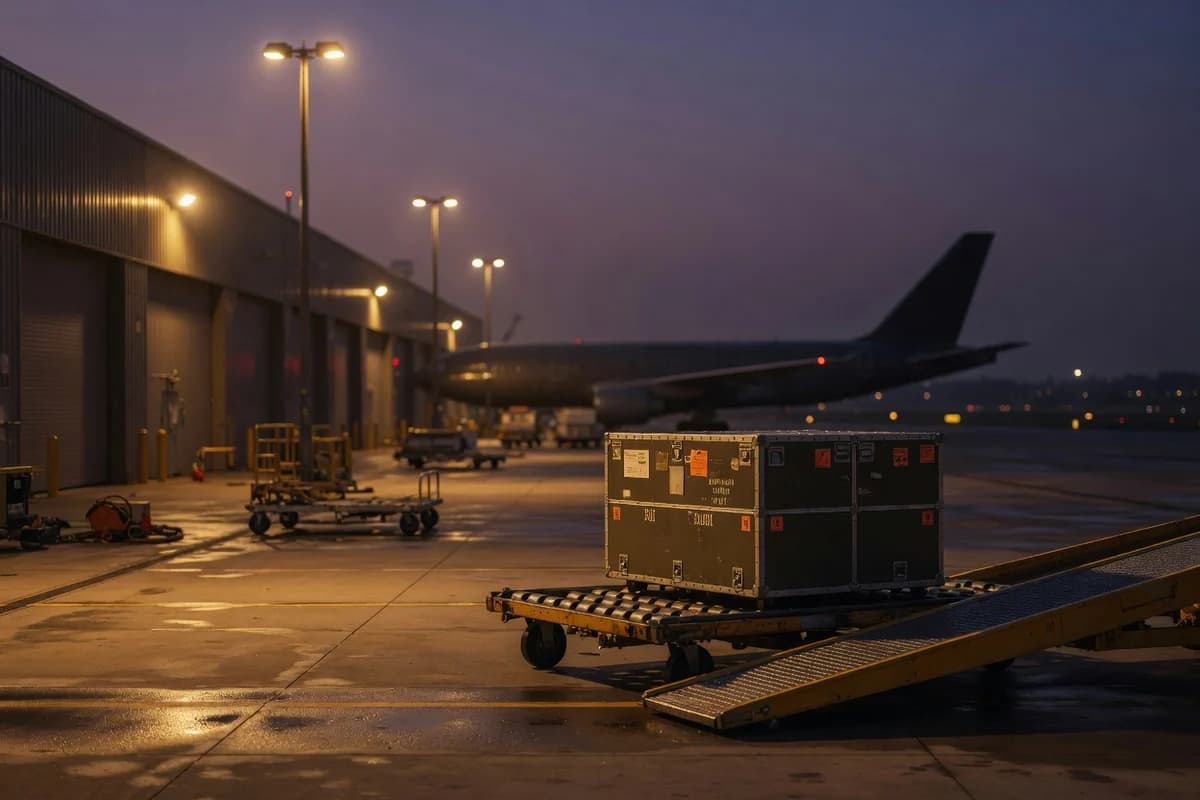
You call us, and we immediately take over coordination with our local partner in Spain. They collect the deceased, carry out the embalming required for international transport, and prepare the air-transport coffin (with a sealed metal liner, required for cargo flights).
Because of the distance, transport is almost always by air, as special cargo, from the major airports — Madrid, Barcelona, Valencia. Since Spain is in the European Union and Schengen, the consular formalities are straightforward, though several offices are involved.
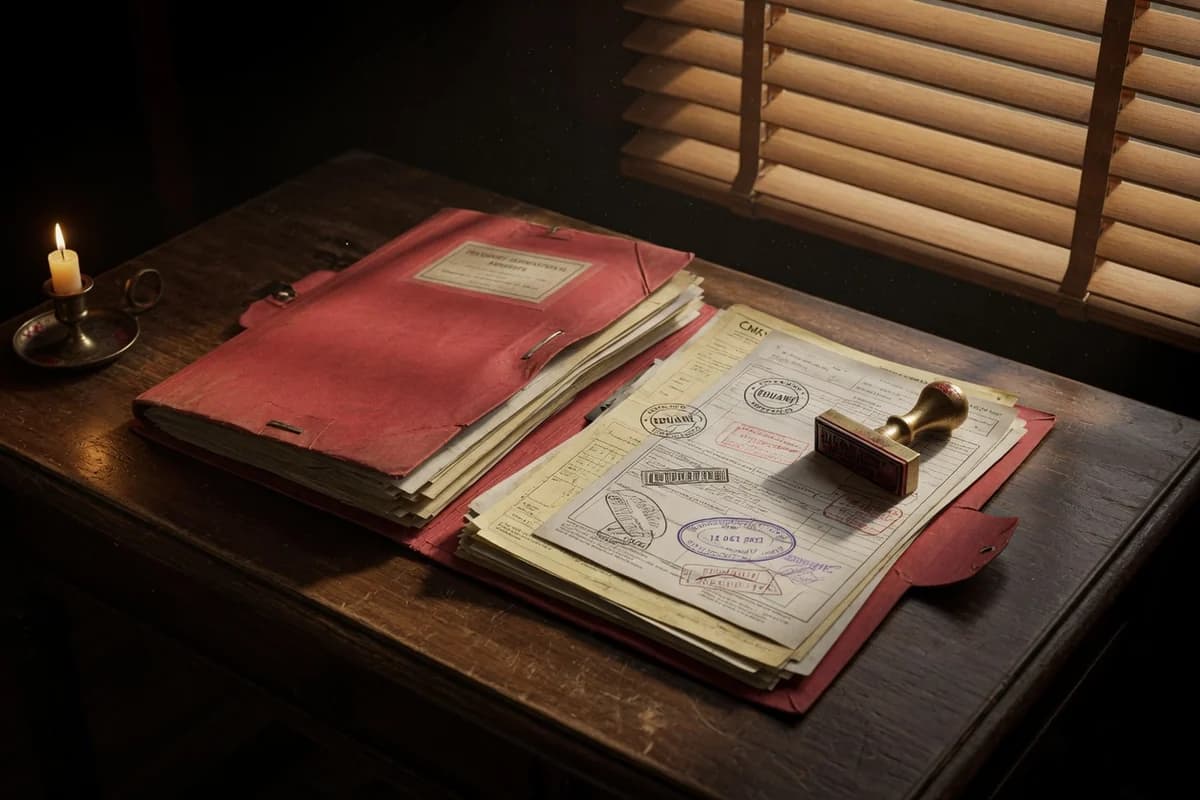
Spanish documents: certificado de defunción and Registro Civil
The first official step is registering the death at the Registro Civil — the Spanish civil registry — within 24 hours of death. This produces the certificado de defunción (death certificate). Only the certificación literal de defunción has legal standing for international use; this is the document we obtain on your behalf.
For international transport out of Spain, the Spanish health authorities (Sanidad Exterior) must authorize the body's departure. This authorization is coordinated by the local Spanish funeral home and involves confirming that the coffin meets health regulations and that embalming has been carried out. The Romanian Consulate in Spain then issues the mortuary passport for entry into Romania.
Mainland Spain versus the islands
If the death occurred on the Spanish mainland — Madrid, Barcelona, Valencia, Seville, or elsewhere on the peninsula — the logistics are standard: road transfer to the nearest major airport, then a direct or connecting cargo flight to Bucharest.
If the death occurred on the Canary Islands or the Balearic Islands, there is an additional leg: first an inter-island or island-to-mainland flight to move the remains to a major hub, then the international flight to Romania. This adds time (typically one to two extra days) and cost. Island-based funeral homes also tend to charge more due to limited local competition. We price island cases individually and tell you exactly what applies.
How long it takes and what it costs
Repatriation from mainland Spain usually takes 3–5 days, depending on flight availability and the departure city. From the islands, add one to two days. The total cost, between €2,500 and €4,500 for mainland departures, covers embalming, the compliant air-transport coffin, the documents, the mortuary passport, and transport.
The cost of air transport depends on the departure airport and the available flights to Bucharest. We give you a firm estimate from the first call, with no hidden costs at the end.
The documents required
- The certificación literal de defunción from the Registro Civil, with a legalized translation into Romanian
- Sanidad Exterior health authorization for international transport
- The embalming certificate, mandatory for air transport
- The air-transport coffin with a sealed metal liner, required by airlines
- The mortuary passport issued by the Romanian Consulate in Spain
- Transcription of the death certificate into the Romanian civil registry, on arrival
Romanian consulates in Spain
Romania has several diplomatic offices in Spain. The main ones used for repatriation are: the Embassy in Madrid, the Consulate General in Castellón de la Plana, and the Consulate General in Seville. The Consulate General in Barcelona was also active; we confirm jurisdiction at the time of the case.
The mortuary passport (pașaportul mortuar) must be issued by the Romanian consulate covering the area where the death occurred. We handle this contact as part of the process.
What we do for the family
We coordinate both ends — the Spanish side and the Romanian side — so the family has a single point of contact. You don't have to deal with different companies in two languages; we bridge them.
Many families reach us from Spain, by phone or WhatsApp, while they're still there. We prepare everything so that, on arrival in Romania, the ceremony can take place without delays. You do not need to be in Spain to authorize the process.