GUIDE · JEWISH FUNERAL

Jewish funeral: traditions, ritual and mourning

Jewish tradition requires burial as quickly as possible — as a rule within 24 hours of death — as a mark of respect for the deceased. Cremation is forbidden in Orthodox and Conservative Judaism, and the body is buried whole. The body is ritually washed (tahara) by members of the Chevra Kadisha, dressed in a simple white shroud (tachrichim), and placed in a plain wooden coffin without metal. No flowers are brought; donations are made instead. After the funeral, the close family observes shiva — seven days of mourning. This guide explains the ritual and customs.

Updated: 22 June 20261,700 wordsReviewed by Andrei
sobru.ro — Romanian funeral services
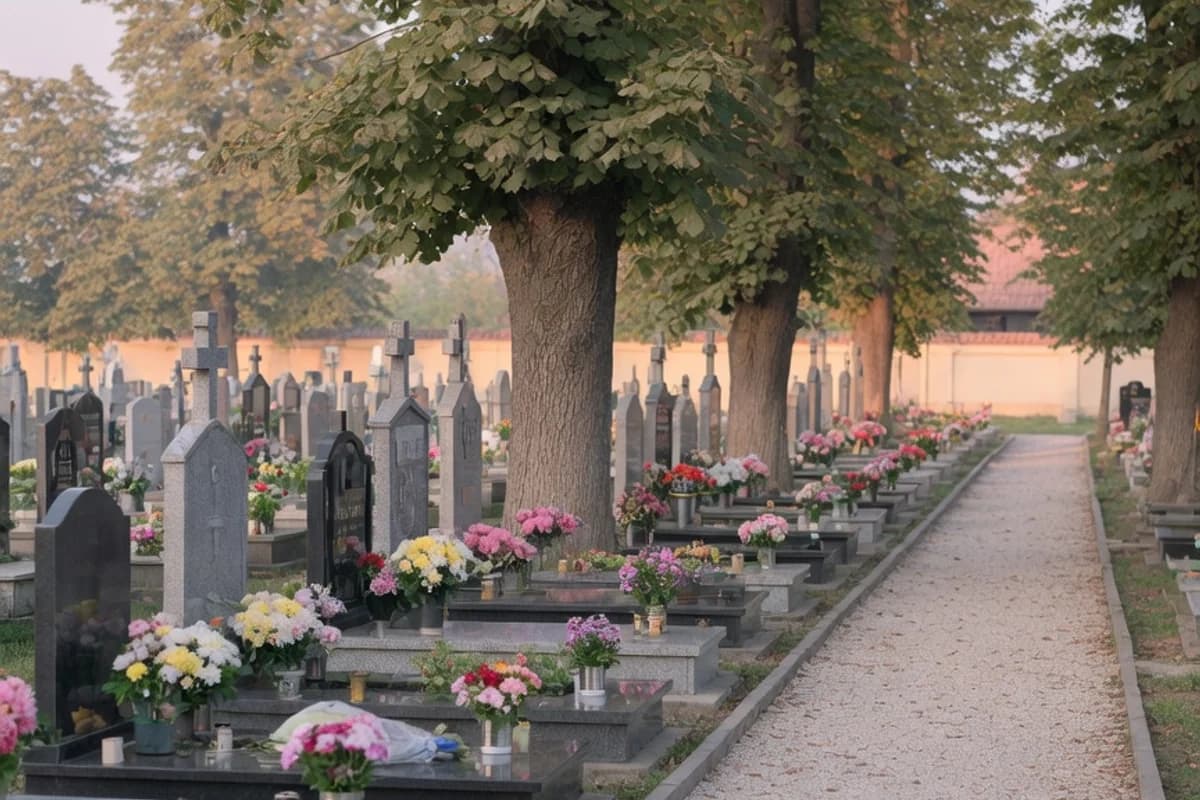
Illustrative image for the guide above.

What a Jewish funeral is

A Jewish funeral follows an ancient tradition centred on respect for the body and on the imperative to bury quickly. The community, through the Chevra Kadisha — the holy society that cares for the dead — handles the preparation.

The emphasis is on simplicity and on the equality of all in the face of death. The coffin and shroud are therefore plain and the same for everyone, regardless of wealth.
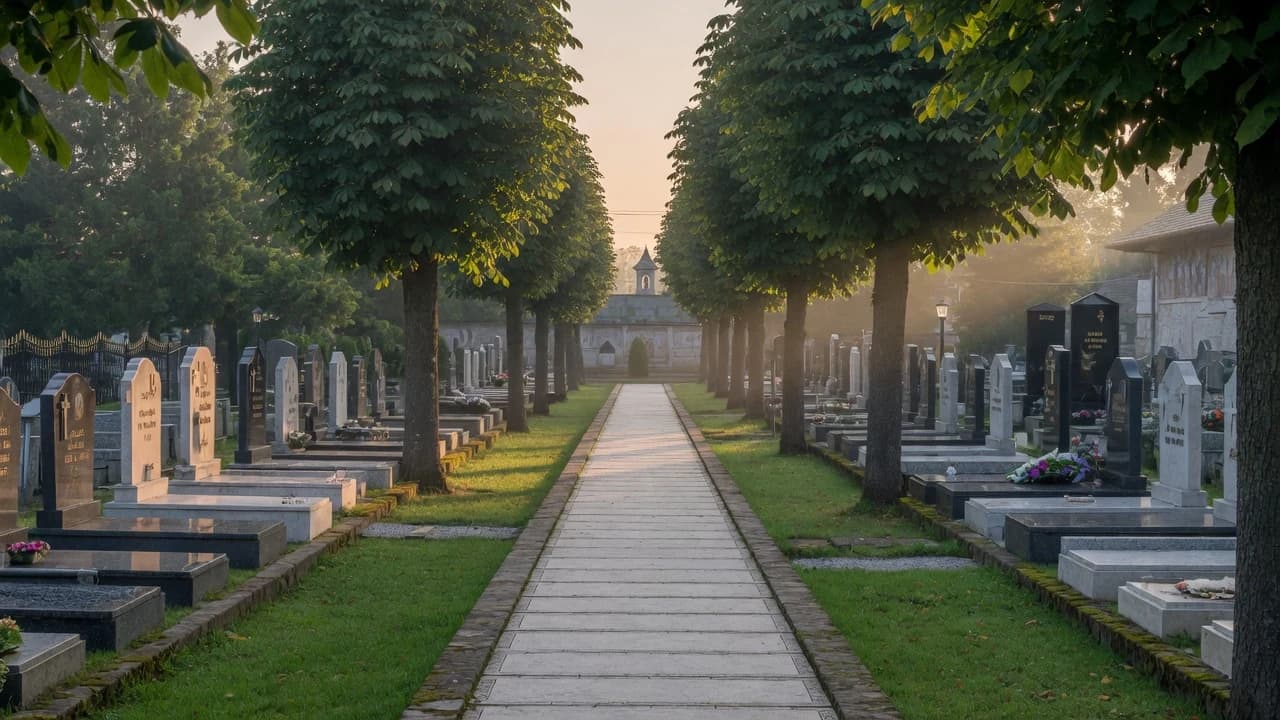
Well-kept cemetery alley with mature trees in soft golden light — illustrative image
Illustrative image: cemetery path, the resting place of the departed.

Burial as quickly as possible

Tradition requires the funeral to take place as quickly as possible — as a rule within 24 hours of death — as a sign of respect for the deceased. Promptness of burial is a religious duty.

Burial is delayed only if the day falls on Shabbat or a major festival, or if close relatives are travelling from a distance.

Cremation is forbidden

In Orthodox and Conservative Judaism, cremation is forbidden. The faith requires the body to be buried whole in the earth, returning to the dust from which it was taken.

Only the Reform movement accepts cremation in some cases. The tradition, however, remains burial, as a sign of respect for the body given by God.

Federation of Jewish Communities in Romania

Tahara and the shroud

Before burial, the body is ritually washed in a ceremony called tahara (טהרה), performed by members of the Chevra Kadisha with prayers. The body is not embalmed.

After washing, the deceased is dressed in a plain white shroud called tachrichim (תכריכים), the same for everyone. Men may also be wrapped in their prayer shawl, the tallit (טלית).

The plain coffin

The Jewish coffin is simple — plain wood, without metal fittings and without ornamentation — so that the body returns naturally to the earth. In some traditions holes are made in the bottom of the coffin to allow contact with the soil.

The plainness of the coffin reflects the equality of all in the face of death. There are no luxury coffins in Jewish tradition.

The service and Kaddish

The funeral service is sober — readings from Psalms, a eulogy, and prayers. At the graveside, sons or close relatives recite the Kaddish (קדיש) — the prayer sanctifying God's name — in memory of the deceased.

Those present help cover the grave with earth as a final act of respect. This is considered a sacred duty, not only the task of cemetery staff.

The Jewish cemetery

Burial takes place in a Jewish cemetery. In Romania, Jewish cemeteries exist in cities with a Jewish community — Bucharest, Iași, Timișoara and Oradea, among others.

A Jewish grave is not reopened and not reused; the plot is permanent. The gravestone, the matzeva (מצבה), is erected as a rule after one year.

Shiva and the stages of mourning

After the funeral, the close family observes shiva (שבעה) — seven days of intense mourning at home, receiving visitors and reciting Kaddish. Mourning has several stages:
StageDurationWhat it marks
Shiva7 daysIntense mourning at home, visits, Kaddish
Shloshim30 daysGradual return to life, no celebrations
Mourning for a parentOne yearDaily Kaddish, abstaining from celebrations
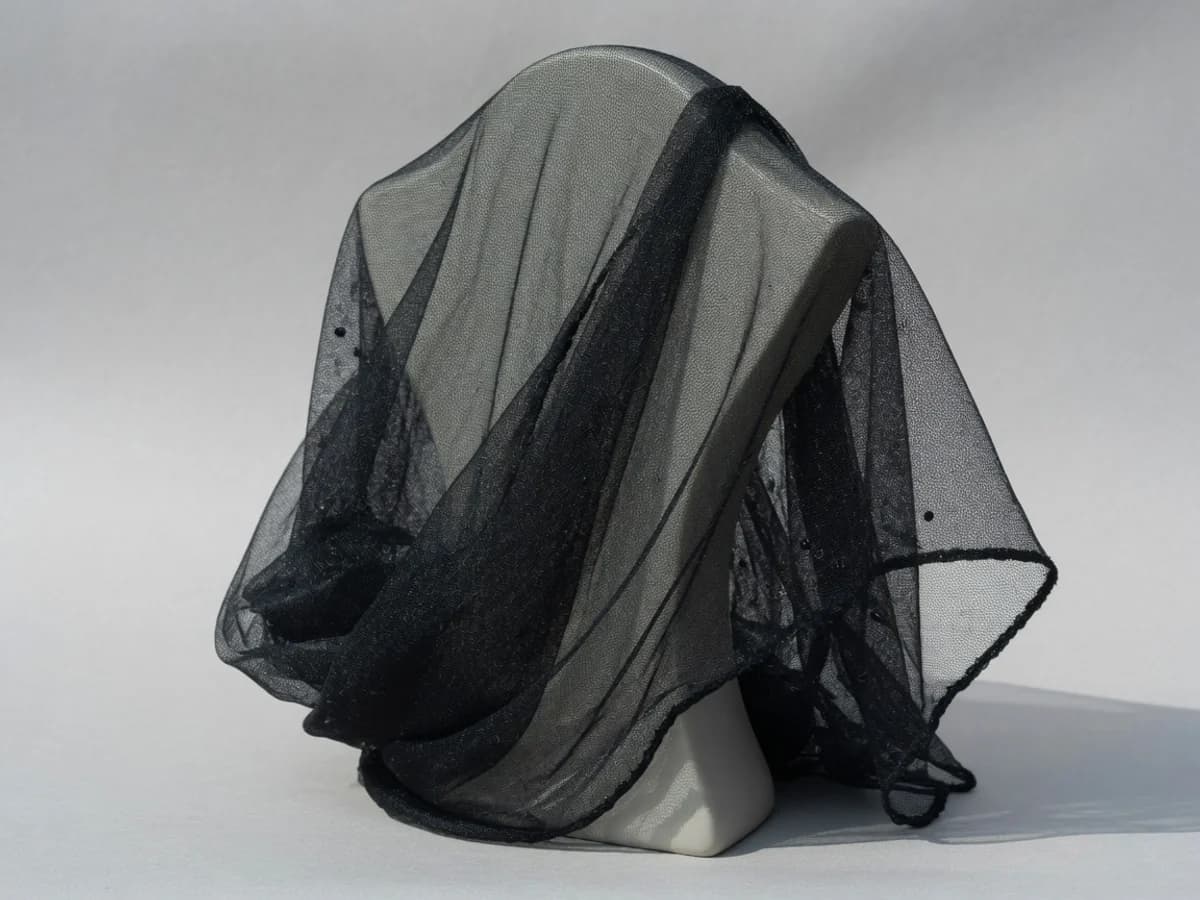
Stages of mourning in Jewish tradition. The gravestone (matzeva) is unveiled as a rule at the end of the year.

No flowers — donations instead

In Jewish tradition, flowers are not brought to the funeral. In their place, donations are made to the community or a charitable cause, in memory of the deceased.

Those who wish to express compassion may perform a good deed or make a donation, which is considered more fitting than flowers, which will fade.

How we help with respect

We coordinate with the Jewish community and the Chevra Kadisha everything related to logistics — transport, paperwork, cemetery — with full respect for religious custom.

We are available day and night. For a no-obligation conversation, call us. We work alongside the community, not in its place, for the ritual part.

STEP BY STEP

Steps summary

  1. 01

    Notify the community and the Chevra Kadisha

    At a death, notify the Jewish community, which will activate the Chevra Kadisha for ritual preparation.

  2. 02

    Ritual preparation (tahara)

    The body is ritually washed and dressed in the plain shroud, without embalming, by members of the Chevra Kadisha.

  3. 03

    Burial as quickly as possible

    The funeral takes place as a rule within 24 hours, at the Jewish cemetery, with a sober service and Kaddish.

  4. 04

    Covering the grave

    Those present help cover the grave with earth, as a final act of respect for the deceased.

  5. 05

    Shiva — the seven days of mourning

    The close family observes shiva at home, receiving visitors and reciting Kaddish, for seven days after the funeral.

OFFICIAL SOURCES

Information verified with

FREQUENT QUESTIONS

What families ask most often

  • How quickly does a Jewish funeral take place?

    As a rule within 24 hours of death, as a sign of respect. It is delayed only if the day falls on Shabbat or a festival, or if close relatives are travelling from a distance.

  • Can Jews be cremated?

    In Orthodox and Conservative Judaism, cremation is forbidden; the body is buried whole. Only the Reform movement accepts it in some cases. The tradition remains burial.

  • What is tahara?

    It is the ritual washing of the body, with prayers, performed by members of the Chevra Kadisha before burial. The body is not embalmed.

  • What is the Chevra Kadisha?

    It is the holy society of the community, responsible for the care and ritual preparation of the deceased, with respect and according to religious custom.

  • What is the Jewish coffin like?

    Plain wood, without metal fittings and without ornamentation, so that the body returns naturally to the earth. The plainness reflects the equality of all in death.

  • What are the tachrichim?

    The plain white shroud in which the deceased is dressed — the same for everyone. Men may also be wrapped in their prayer shawl, the tallit.

  • What is Kaddish?

    It is the prayer sanctifying God's name, recited by sons or close relatives at the graveside and throughout the mourning period, in memory of the deceased.

  • What is shiva?

    The seven days of intense mourning after the funeral, observed at home by the close family, who receive visitors and recite Kaddish.

  • Are flowers brought to a Jewish funeral?

    No. In Jewish tradition, flowers are not brought. In their place, donations are made to the community or a charitable cause, in memory of the deceased.

  • What is shloshim?

    The thirty days of mourning from the funeral, during which the family gradually returns to ordinary life but refrains from celebrations.

  • How long is mourning for a parent?

    For a parent, mourning lasts one year, with daily Kaddish and abstaining from celebrations. It is the longest mourning period in Jewish tradition.

  • When is the gravestone unveiled?

    The matzeva — the gravestone — is unveiled as a rule at the end of one year from the death, in a short ceremony.

  • Where are Jews buried in Romania?

    In Jewish cemeteries in cities with a Jewish community — Bucharest, Iași, Timișoara, Oradea and others. A Jewish grave is not reused.

  • Is the body embalmed?

    No. The body is not embalmed. It is ritually washed through tahara and dressed in the shroud, without further intervention.

  • What if I want to support a bereaved Jewish family?

    A visit during shiva, a kind word, or a donation in memory of the deceased are all appropriate. Flowers are not part of Jewish tradition.

  • What is shemira?

    It is the vigil kept over the body from death until burial. The deceased is not left alone; a guardian called the shomer sits beside the body and recites Psalms.

  • Why do mourners tear a garment?

    The tearing of a garment, called keriah (קריעה), is an ancient sign of grief and loss. It is performed by close relatives before the funeral.

  • Who can recite Kaddish?

    Sons, as a rule, but also other close relatives. Kaddish is recited in the presence of a prayer quorum (minyan) and requires an assembled community.

  • What is placed on a Jewish grave?

    Not flowers, but small stones — placed by visitors as a sign that someone has come to the grave and remembers the deceased. It is an ancient and meaningful custom.

  • Can non-Jews visit during shiva?

    Yes. A condolence visit during shiva is welcome. Let the family speak about the deceased and offer a warm word — without flowers.

READ ALSO

Related guides

QUESTIONS?

Call us for guidance

We answer day and night. We explain your family's specific situation with no commercial pressure.

0739 592 835WhatsApp