
What a Muslim funeral is
A Muslim funeral follows Islamic tradition, centred on speed of burial, simplicity, and respect for the body. The community handles the ritual preparation.
In Romania, this tradition is maintained mainly by the Tatar and Turkish communities in Dobrogea, as well as by Muslim believers from other communities. The ritual is guided by the imam.
Burial as quickly as possible
Islamic tradition requires burial as soon as possible — ideally within 24 hours of death. Speed is a sign of respect for the deceased.
For this reason, formalities are completed promptly and the body is not held unburied. The community mobilises to meet this timeline.
Cremation is strictly forbidden
Cremation is strictly forbidden in Islam. The body must be buried whole in the earth, with dignity — never burned.
This rule is firm in Islamic tradition. Burial is the only accepted form of laying the deceased to rest.
Muslim community — islam.roGhusl — the ritual washing
Before burial, the body is ritually washed in a ceremony called ghusl (غسل). The washing is performed, as a rule, three times with clean water, by persons of the same sex as the deceased.
The washing is a sign of purification and preparation for meeting God. The body is not embalmed.
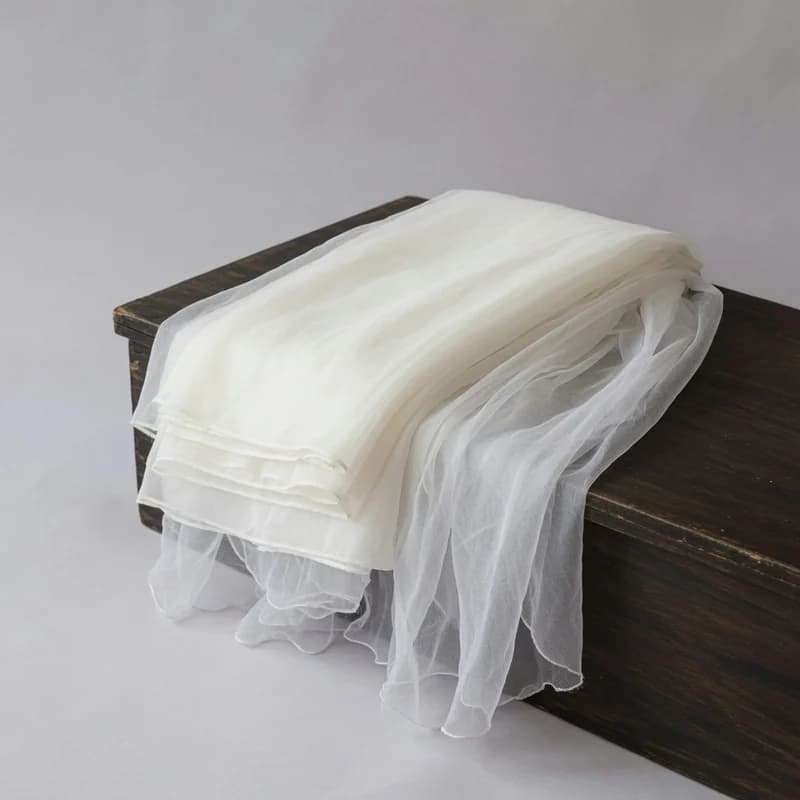
Kafan — the white shroud
After washing, the body is wrapped in a simple white shroud called the kafan (كفن) — generally three layers for men and five for women.
The simplicity of the shroud is a reminder that all are equal before God and that worldly wealth counts for nothing beyond this life.
Salat al-Janazah — the funeral prayer
Before burial, the funeral prayer, Salat al-Janazah (صلاة الجنازة), is performed. It is said standing, in congregation, without bowing or prostration, as a prayer for the forgiveness of the deceased.
The prayer is led by the imam, usually at the mosque or near the graveside, with the community standing in rows.
Burial facing Mecca
The body is buried facing the Qibla — the direction of Mecca — laid on the right side. Islamic tradition calls for burial without an elaborate coffin; in many places, the body is interred only in the shroud.
In Romania, where the law requires a coffin, a simple one is used. At the graveside, those present help cover the grave with earth as a final act of respect.
Muslim cemeteries
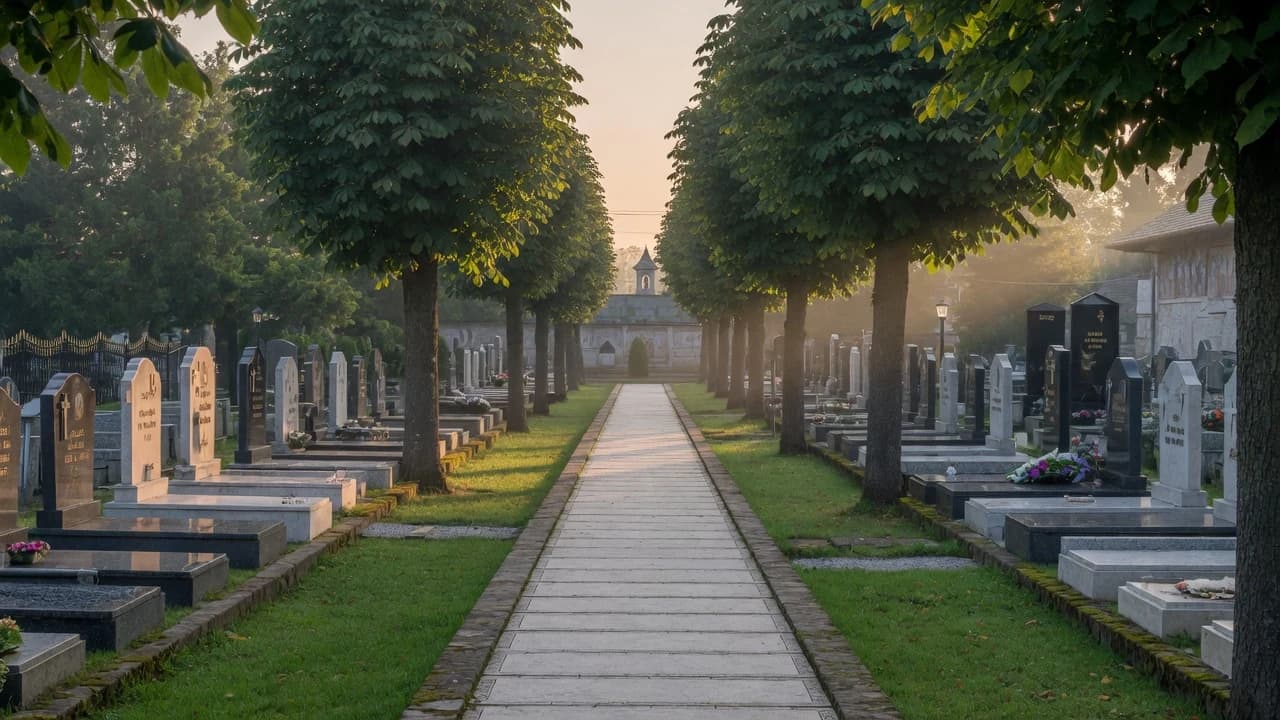
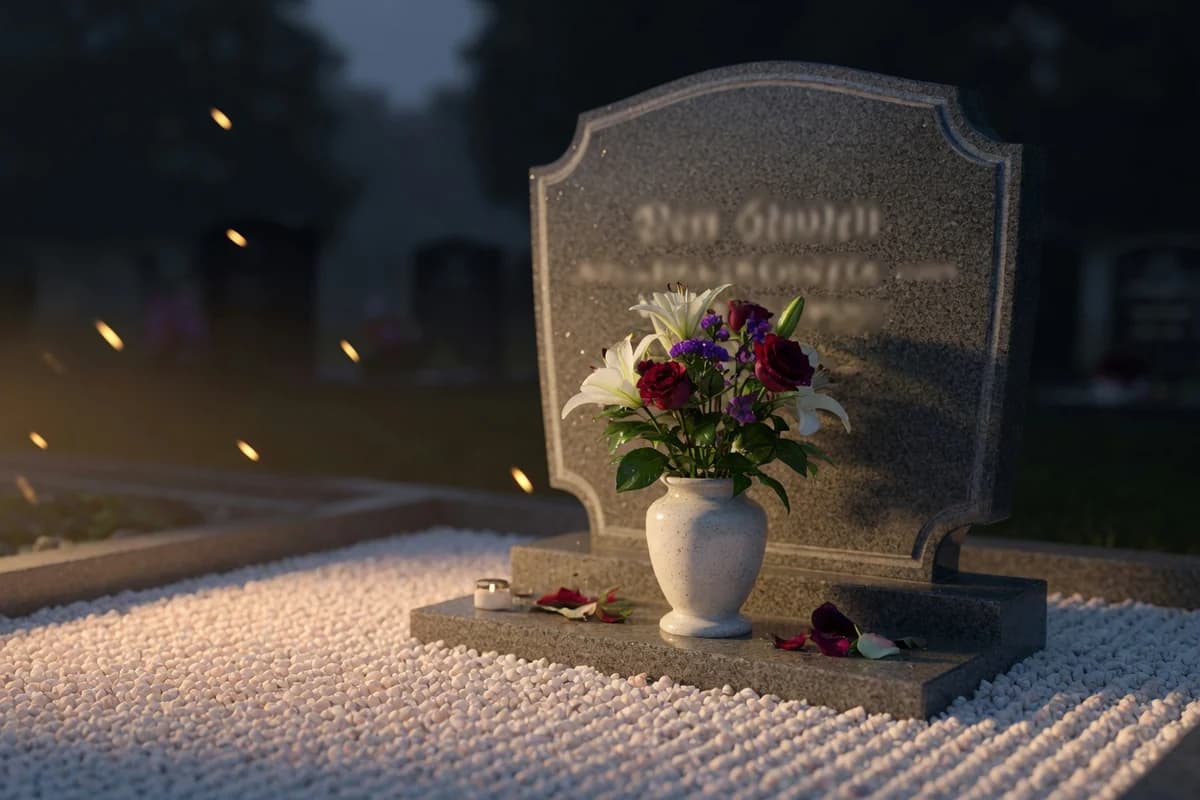
Burial takes place in a Muslim cemetery or a Muslim section of a cemetery. In Romania, such cemeteries exist in Dobrogea — in Constanța and other communities with a Muslim population.
Graves are oriented toward Mecca and are traditionally simple, without elaborate decoration, in keeping with the faith's spirit of equality.
Mourning in Islam
Mourning in Islam is measured and restrained. The usual mourning period is three days, during which the family receives condolences and support.
For a widow, the tradition prescribes a longer mourning period. Loud, excessive grieving is not encouraged; the emphasis is on patience and trust in God.
| Stage | What it involves |
|---|---|
| Ghusl | Ritual washing of the body, three times |
| Kafan | Wrapping in a simple white shroud |
| Janazah | Funeral prayer, performed standing |
| Burial | Interment facing Mecca, without delay |
How we help with respect
We coordinate with the Muslim community and the imam everything related to logistics — transport, paperwork, cemetery — with full respect for religious requirements and for the speed that tradition demands.
We are available day and night. For a no-obligation conversation, call us. The ritual part remains with the community; we support the organisation.