MORTUARY COSMETICS · NATURAL AND DIGNIFIED APPEARANCE
Restorative funeral cosmetics: a dignified appearance for the final farewell
Restorative funeral cosmetics give the deceased a calm, natural appearance for the wake and final farewell. The work includes subtle make-up, hair care, and — where needed — restorative work on features. It is carried out by experienced staff after the body has been prepared.
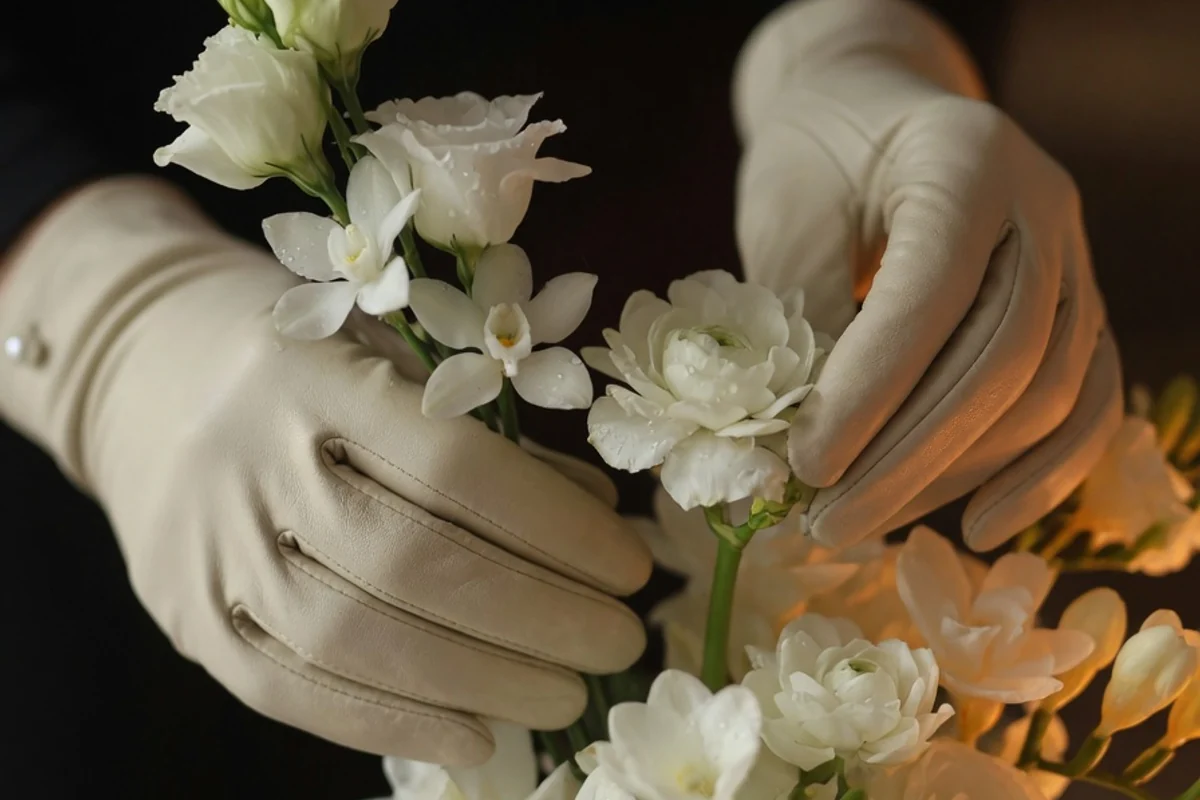
mortuary cosmetics — natural and dignified appearance. Illustrative image.
What mortuary cosmetics is
Mortuary cosmetics (also called restorative cosmetics or funeral cosmetics) is the final stage of preparing the deceased, restoring a natural appearance — as if at peaceful rest. The family sees their loved one cared for and at peace, at the wake and ceremony.
It forms part of preparing the deceased, carried out after washing and embalming. The aim is to preserve the dignity of the person who has died and to give the family comfort at the last farewell.
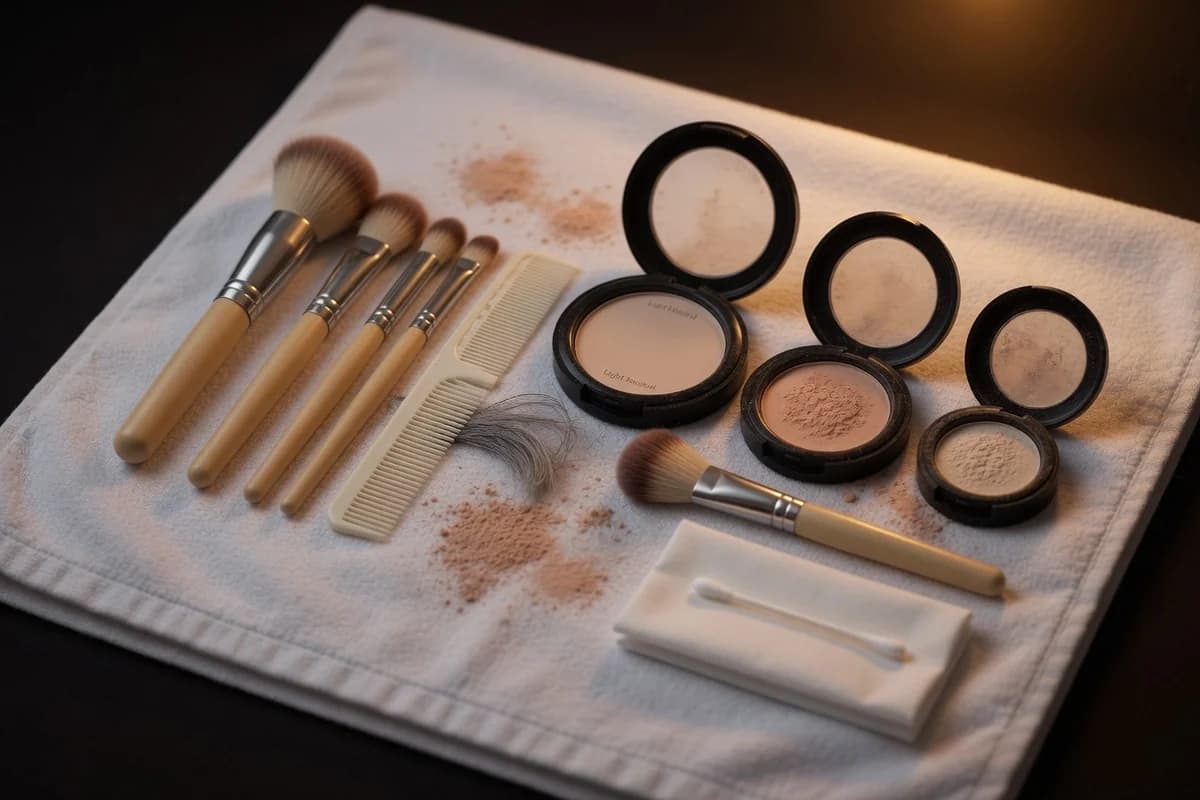
Illustrative image: detail from the mortuary cosmetics stage of preparation.
What mortuary cosmetics includes
Several careful steps are involved, all subtle and aimed at the most natural appearance possible:
Subtle make-up, giving the complexion a natural tone
Hair styling and combing
Shaving, for men, where appropriate
Care of the hands and nails
Restorative work on features, when needed
Placing spectacles or personal items, at the family's request
Who carries out the cosmetics
The work is done by staff experienced in caring for the deceased, in a dedicated preparation room. It is not ordinary make-up; it requires specific techniques and appropriate products.
The family does not attend the procedure. They see their loved one only afterwards, prepared and ready for the wake. Discretion and respect are observed throughout.
When the cosmetics is done
Mortuary cosmetics takes place after washing and embalming, before dressing and placing in the casket. It is one of the last stages of preparation.
The full preparation process normally takes 4–6 hours. After the cosmetics, the deceased is dressed in the clothing chosen by the family and made ready for the wake.
Cosmetics or embalming — what is the difference
Embalming conserves the body; mortuary cosmetics restores the appearance. They are distinct but complementary stages — embalming prepares, cosmetics finishes.
For a good appearance at the wake, especially when it lasts more than one day, both are recommended. See also the page on preparing the deceased.
Illustrative image: preparation in the laboratory — embalming is a distinct procedure from cosmetics.
Aspect
Embalming
Mortuary cosmetics
Purpose
Conserves the body
Restores a natural appearance
Role in preparation
Prepares
Finishes
Timing
Before the cosmetics
After washing and embalming, before dressing
Embalming and mortuary cosmetics — the differences When the wake lasts more than one day, both are recommended.
Cases that require restorative work
In some situations — after a long illness, an accident, or a medical procedure — the features need restorative work to achieve as natural an appearance as possible.
The restoration is carried out carefully and skilfully, to give the family a peaceful image of the person they have lost. We will tell you in advance what is achievable and what to expect.
What is included and what it costs
Mortuary cosmetics is normally included as part of preparing the deceased, alongside washing and embalming. Complex restorative work is quoted separately, where needed.
We coordinate all preparation in one place, with a clear quote. For an overview of costs, see our pricing page.
Who handles everything
The family entrusts us with the preparation and we take care of washing, embalming, and cosmetics — with discretion and respect.
We answer day and night. For a no-obligation conversation, call us or see our package list with prices that include preparation.
LOCAL COVERAGE
Where do we provide restorative cosmetics in Bucharest and Ilfov?
We cover all six sectors of Bucharest and the towns of Ilfov county. Pick your area for local details: arrival times, cemeteries and nearby landmarks.
Select Bucharest or Ilfov for local restorative cosmetics pages.
FREQUENT QUESTIONS
What families ask about restorative funeral cosmetics: a dignified appearance for the final farewell
What is mortuary cosmetics?
It is the final stage of preparing the deceased, restoring a natural, peaceful appearance for the wake. It includes subtle make-up, hair care, and restorative work where needed.
What does mortuary cosmetics include?
Subtle make-up, hair styling, shaving where needed, hand and nail care, and restorative work on features where required. Personal items such as spectacles can be placed at the family's request.
Who carries out the cosmetics?
Staff experienced in caring for the deceased, in a dedicated preparation room. It requires specific techniques and products — it is not ordinary make-up.
When is it done?
After washing and embalming, before dressing and placing in the casket. It is one of the last stages of preparing the deceased.
Does the family attend the procedure?
No. It is carried out privately, with discretion. The family sees their loved one only afterwards, at the wake.
Is mortuary cosmetics the same as embalming?
No. Embalming conserves the body; cosmetics restores the appearance. They are distinct but complementary stages of preparation.
How long does it take?
The cosmetics itself takes around one to two hours. The full preparation — washing, embalming, cosmetics, dressing — normally takes 4–6 hours in total.
Can appearance be restored after an accident?
In many cases, yes. Restorative work is done carefully, for as natural an appearance as possible. We will tell you in advance what is achievable.
Can I specify how my loved one looks?
Yes, within reasonable bounds. The family can request a particular hairstyle, the placement of spectacles, or personal items. We always aim for a natural, dignified appearance.
Is cosmetics needed before cremation?
If there is an open-casket wake before the cremation, yes. If there is no viewing, mortuary cosmetics is not required.
What does mortuary cosmetics cost?
It is normally included as part of preparing the deceased. Complex restorative work is quoted separately. We give a clear figure in advance.
Are ordinary cosmetics products used?
No. Specialist products designed for the complexion are used, giving a natural appearance that holds throughout the wake.
Is mortuary cosmetics required by law?
No, it is not a legal requirement. It is recommended when an open-casket wake is held, for a dignified appearance of the deceased.
Who dresses the deceased after the cosmetics?
Our staff, using the clothing chosen by the family. After cosmetics comes dressing, placing any jewellery, and preparing for the casket.
Is the hair styled too?
Yes. Hair styling and combing is part of the cosmetics. If the family provides a photograph, we follow the usual style of the deceased.
Does cosmetics affect how long the wake can last?
No — mortuary cosmetics, together with embalming, helps maintain a good appearance throughout the wake, whether it lasts one or two nights.
Can spectacles or a crucifix be placed with the deceased?
Yes. At the family's request we place spectacles, a crucifix, a small icon, or other personal items as part of the preparation.
Is cosmetics done for both men and women?
Yes, for everyone. Men receive shaving as an additional step; women receive subtle make-up. The aim is the same in both cases — a natural, dignified appearance.
How do you help the family with cosmetics?
We handle the full preparation — washing, embalming, and cosmetics — with discretion and respect. The family tells us their preferences and we follow them.
Will it be obvious that make-up has been applied?
No, when done correctly. The aim is a natural appearance — as if peacefully asleep — not visible make-up. Appropriate products and techniques are used.
How long does mortuary cosmetics last?
Throughout the wake, whether one or two nights. Together with embalming, it maintains a good appearance right through to the ceremony.
Can I bring a photograph to guide the hairstyle?
Yes. A photograph helps us follow the person's usual style and recreate an appearance as close as possible to how they looked in life.
Is cosmetics done for children too?
Yes, with the same care and gentleness. Every case is treated with respect, regardless of age, for a peaceful appearance at the final farewell.
Does cosmetics help the family through their grief?
Yes. A calm, dignified appearance of the person who has died brings comfort to the family at the wake. The last image is one of peace.
RELATED SERVICES
Related services we provide
Funeral cosmetics in Bucharest
Local page by district: neighbourhoods, cemeteries, collection times. 24/7 funeral home.