
DOCUMENTS · PROSECUTOR'S AUTHORISATION

The prosecutor's authorisation (aviz al parchetului) at death: when and how

In brief: the aviz al parchetului (prosecutor's authorisation) is the prosecutor's approval for the burial or cremation of a deceased person, required in certain cases — violent or suspicious death, a body found, or a death that was not declared within the legal deadline. The authorisation confirms that no legal obstacle prevents the funeral and that the investigation does not oppose the release of the body. It is normally obtained after the forensic autopsy. This guide explains in which situations the authorisation is needed and how it is obtained.

Updated: 22 June 20261,650 wordsReviewed by Andrei
sobru.ro — Romanian funeral services
Illustrative image for the guide above.

What the prosecutor's authorisation is

The aviz al parchetului sau al procuraturii (prosecutor's or public prosecutor's authorisation) is the prosecutor's approval for burial or cremation in cases where the death is the subject of an investigation.

It confirms that, from a legal standpoint, there is no obstacle to the funeral and that the investigation does not oppose the release of the body to the family.
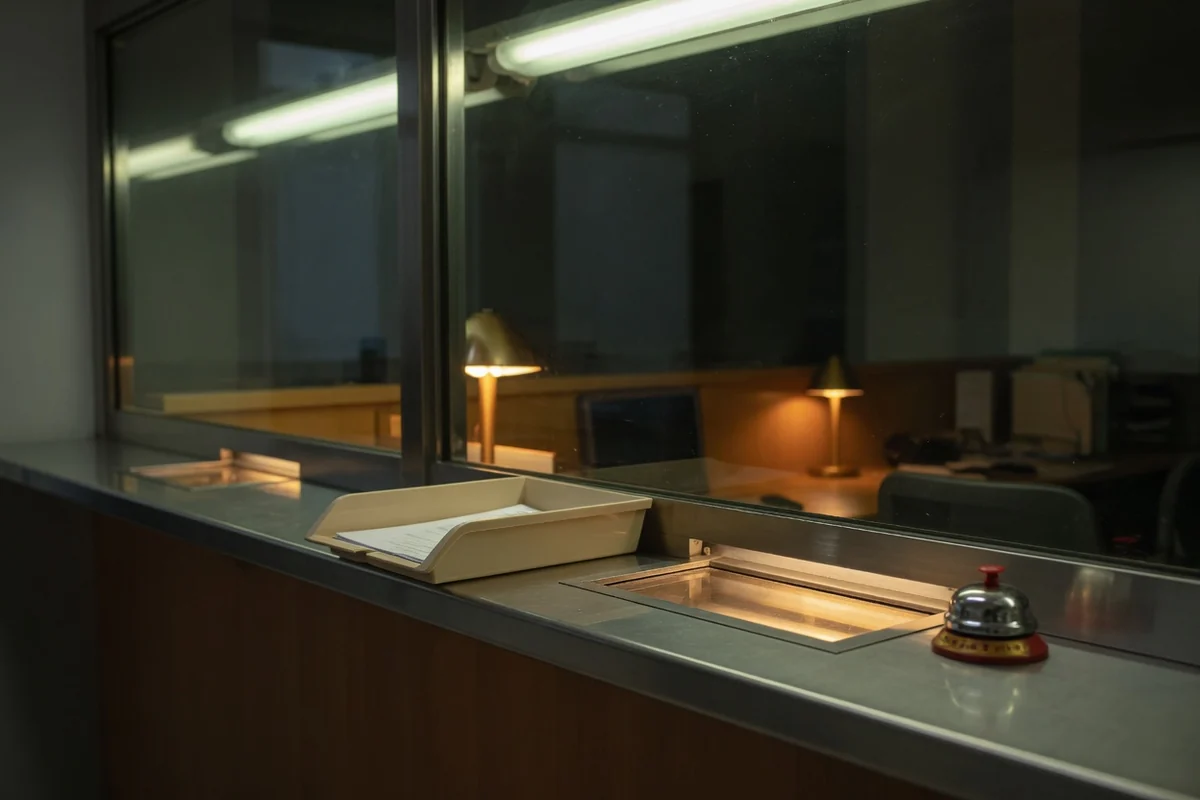
Public institution counter with a glass partition, document tray and call bell — no people
Illustrative image: obtaining the prosecutor's authorisation for the funeral.

When the authorisation is required

The prosecutor's authorisation is required in several situations where the death involves an investigation:

  • Violent death — accident, fall, suicide, homicide
  • Suspicious death, with an unclear cause
  • A body found
  • A death that was not declared within the legal deadline

The link with the forensic institute

In cases of violent death, the prosecutor's office orders a forensic autopsy at the Institute of Forensic Medicine (IML). The authorisation for burial is normally issued after the autopsy has been completed.

So the prosecutor's authorisation and the forensic doctor's certificate go together. See also our guide on violent death.

Institutul Național de Medicină Legală

How the authorisation is obtained

The authorisation is obtained from the prosecutor's office handling the investigation. Once the investigation and autopsy have confirmed the cause of death, the prosecutor issues the approval for burial or cremation.

The family or the funeral home — acting under a power of attorney — contacts the prosecutor's office to obtain the authorisation after the investigation steps have been completed.

The effect of the authorisation

With the prosecutor's authorisation, the civil registry can issue the adeverința de înhumare sau incinerare (burial/cremation permit), even when the death had not yet been registered.

Without the authorisation, in cases under investigation, burial or cremation cannot proceed. The authorisation clears the way to the funeral.

Late declaration of the death

When the death was not declared within the legal deadline — 3 days, or 48 hours for a violent death — late registration can only be carried out with the prosecutor's approval.

The prosecutor's authorisation is, in this case too, the condition for drawing up the death record and issuing the burial/cremation permit.
Clipboard with a blank medical form and stethoscope on a consultation desk
Illustrative image: the forensic documents that accompany the prosecutor's authorisation.

How long it takes

The timeline depends on the investigation and the autopsy. For a straightforward case, the authorisation comes within a few days, after the forensic examination is complete.

For complex cases the timeline may be longer. The funeral home monitors progress and collects the deceased as soon as the authorisation and the body are released.

The family's rights

The family has the right to be kept informed about the progress of the investigation and about when the deceased can be collected. The prosecutor's authorisation marks the moment at which the body is returned to the family.

We accompany you through this process with respect and discretion, so the family can organise the funeral as soon as it is possible.

What the family can do during the investigation

While waiting for the authorisation, the family can prepare what is needed, without rushing the investigation:

  • Gather identity documents and civil-status certificates
  • Choose the funeral home and settle the ceremony details
  • Prepare clothes and photographs for the wake
  • Wait for notification of when the deceased can be collected

How we can help

We monitor the investigation steps, liaise with the prosecutor's office and the forensic institute, and collect the deceased after the authorisation is issued — then handle the paperwork and the funeral.

We are available day and night. For a no-obligation conversation, call us or see our guide on violent death.

STEP BY STEP

Steps summary

  1. 01

    Call 112 and the authorities

    For a violent or suspicious death, 112 brings the police and the prosecutor's office takes over the investigation, ordering an autopsy.

  2. 02

    Wait for the autopsy to be completed

    The burial authorisation is normally issued after the forensic autopsy, which establishes the cause of death.

  3. 03

    Obtain the authorisation from the prosecutor's office

    After the investigation and autopsy, the prosecutor issues the approval for burial or cremation.

  4. 04

    Collect the deceased and arrange the funeral

    With the authorisation, the civil registry issues the burial/cremation permit, and the funeral home collects the deceased and arranges the ceremony.

OFFICIAL SOURCES

Information verified with

FREQUENT QUESTIONS

What families ask most often

  • What is the prosecutor's authorisation at death?

    It is the prosecutor's approval for the burial or cremation of a deceased person, required when the death is under investigation — violent, suspicious, or not declared within the legal deadline.

  • When is the prosecutor's authorisation required?

    For violent death — accident, fall, suicide, homicide — suspicious death, a body found, and a death not declared within the legal deadline.

  • Who issues the authorisation?

    The prosecutor's office handling the investigation. Once the investigation and autopsy have confirmed the cause of death, the prosecutor issues the approval for burial or cremation.

  • Does the authorisation come after the autopsy?

    Normally, yes. For violent deaths, the prosecutor's office orders the autopsy, and the burial authorisation is issued after it has been completed.

  • What does the authorisation do?

    With the prosecutor's authorisation, the civil registry can issue the burial/cremation permit. Without it, in cases under investigation, the funeral cannot proceed.

  • How long does it take to obtain the authorisation?

    It depends on the investigation and the autopsy. For a straightforward case, a few days after the forensic examination. For complex cases, longer.

  • Is the authorisation needed if the death was declared late?

    Yes. Late registration of the death — beyond 3 days, or 48 hours for a violent death — can only be carried out with the prosecutor's approval.

  • Can the family obtain the authorisation?

    The family or the funeral home, acting under a power of attorney, contacts the prosecutor's office for the authorisation after the investigation steps have been completed.

  • Does the authorisation imply that the family is under suspicion?

    No. The authorisation simply confirms that the investigation does not oppose the funeral. The investigation establishes the cause of death — not guilt on the part of the family.

  • When does the family receive the body?

    After the authorisation is issued and the body is released by the forensic institute. The prosecutor's authorisation marks the moment at which the deceased is returned to the family.

  • Is the authorisation different from the forensic institute's clearance?

    They are linked but distinct. The forensic institute establishes the cause of death through an autopsy; the prosecutor issues the legal authorisation for burial or cremation.

  • Can the family find out the status of the investigation?

    Yes. The family has the right to be kept informed about the progress of the investigation and about when the deceased can be collected.

  • Is the authorisation needed for cremation too?

    Yes. For a death under investigation, the prosecutor's authorisation is required for both burial and cremation.

  • What can be done while waiting for the authorisation?

    Preparations can begin, but the funeral takes place after the authorisation. The funeral home monitors progress and collects the deceased as soon as possible.

  • Is the prosecutor's authorisation free?

    Yes. The burial or cremation authorisation issued by the prosecutor's office in the course of an investigation is not charged to the family. Funeral costs proper are separate.

  • Is the authorisation needed for a road accident?

    Yes. A road accident death is a violent death, involving an investigation, an autopsy, and the prosecutor's authorisation for burial or cremation.

  • Is the authorisation needed for a suicide?

    Yes. Suicide is a violent death involving a prosecutor's investigation and a forensic autopsy, followed by the authorisation for the funeral.

  • Does the authorisation differ from the sanitary clearance?

    Yes. The prosecutor's authorisation concerns the legal side — investigating a death; the sanitary clearance (aviz sanitar) concerns the safety of transport or a specific procedure. They are distinct.

  • Is the authorisation given in writing?

    Yes. The prosecutor's approval for burial or cremation is communicated in writing, on the basis of which the civil registry issues the burial/cremation permit.

  • Is the authorisation needed for a death from a known illness in hospital?

    No. For an ordinary death from a known illness, the doctor issues the medical certificate without an investigation. The prosecutor's authorisation is needed only for violent or suspicious deaths.

READ ALSO

Related guides

QUESTIONS?

Call us for guidance

We answer day and night. We explain your family's specific situation with no commercial pressure.

0739 592 835WhatsApp