CERTIFIED TRANSLATIONS · FUNERAL DOCUMENTS

Certified translations for funeral documents

When a death has international dimensions, documents need certified translations: the death certificate, the mortuary passport, medical records. A certified translation is prepared by an authorised translator and notarised by a public notary. We coordinate every translation required for each case.

Updated:

When are certified translations required?

Certified translations are needed whenever a document crosses a border. In a repatriation, the death certificate and medical records must be translated for the authorities of the country involved.

The same applies in reverse: a foreign document used in Romania — such as a death certificate issued abroad — requires a certified translation before Romanian authorities will recognise it.

Manila folder with certificates and a white envelope on top
Illustrative image: funeral documents prepared for certified translation.

What is a certified translation?

A certified translation is a translation prepared by an authorised translator whose signature is then notarised by a public notary. This gives the translation official legal standing.

Not all translations are accepted by authorities. For official documents, an authorised translation — and, as a rule, one that is also notarised — is required.

Which documents are most commonly translated?

In a death with international dimensions, the following documents are typically translated:

  • Death certificate
  • Medical death certificate (certificatul medical constatator al decesului)
  • Mortuary passport and transport authorisations
  • Identity and civil-status documents, as required
  • Embalming certificate, for international transport of remains

Translation and apostille together

Translations often go hand in hand with the apostille. The order matters and differs from country to country: sometimes the document is apostilled first and then translated; sometimes the translation itself must also be apostilled.

We coordinate the translation and the apostille in the correct sequence so the documents are accepted without extra trips.

Which languages are available?

Documents are translated into the language of the destination country, or — for foreign documents — from their language into Romanian. The most requested languages are Italian, Spanish, German, English, and French.

We work with authorised translators for the languages most common in the Romanian diaspora, ensuring translations are accurate and accepted by authorities.
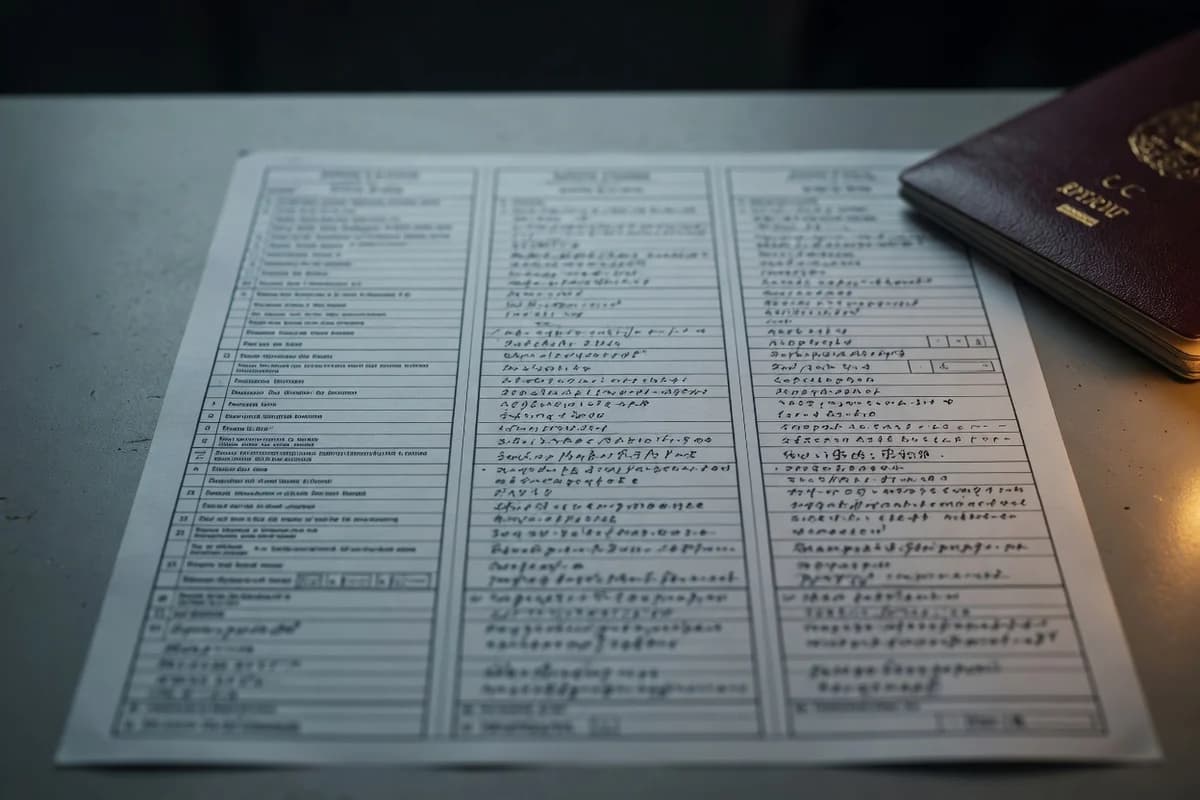
How long does a certified translation take?

A certified translation typically takes one to two working days, depending on the number of documents and the language. For urgent cases, the turnaround can be shortened.

We coordinate translations in parallel with the rest of the formalities so they do not delay the repatriation or the funeral.

What we handle and how we help

We collect the documents, send them to an authorised translator, have them notarised, and — where needed — apostilled. The family does not have to search for translators or visit notary offices.

We coordinate everything together with the repatriation or the other formalities so the documents are ready on time.

Most frequently requested languages

Translations for the Romanian diaspora are most often needed in the languages of countries with large Romanian communities:

LanguageCountries
ItalianItaly
SpanishSpain
GermanGermany, Austria
EnglishUnited Kingdom, Ireland, USA
FrenchFrance, Belgium
Frequently requested languages for repatriation documents.

We take care of everything

Tell us which documents you have and for which country, and we handle the translation, notarisation, and apostille. We verify the exact requirements of the relevant authority.

We are available day and night. For a no-obligation conversation, call us or see our full administrative services.

FREQUENT QUESTIONS

Answers to frequent questions

  • When do I need certified translations?

    Whenever a document crosses a border: for repatriation, for foreign authorities, or for a foreign document used in Romania that must be recognised here.

  • What is a certified translation?

    It is a translation prepared by an authorised translator whose signature is then notarised by a public notary, giving it official legal standing.

  • Which documents are translated after a death?

    Most commonly the death certificate, the medical death certificate, the mortuary passport, identity documents, and the embalming certificate for international transport.

  • Are all translations accepted by authorities?

    No. For official documents, an authorised and, as a rule, notarised translation is required. An ordinary translation has no official standing.

  • Does the translation need to go with the apostille?

    Often yes. The order differs from country to country — sometimes the document is apostilled first, then translated; sometimes the translation itself is also apostilled. We coordinate the correct sequence.

  • Into which languages do you translate documents?

    Into the language of the destination country, or from a foreign language into Romanian. The most requested are Italian, Spanish, German, English, and French.

  • How long does a certified translation take?

    Usually one to two working days, depending on the number of documents and the language. For urgent cases, the turnaround can be shortened.

  • Who carries out the translation?

    An authorised translator for the relevant language. Their signature is then notarised to give the translation official standing.

  • Can an older translation be used?

    Some authorities require a recent translation. We check the requirements of the destination country in advance so an older translation is not rejected.

  • How much do the translations cost?

    It depends on the number of documents, the language, and the notarisation. We give you a clear quote in advance, together with the other formalities.

  • Do you translate medical documents?

    Yes. The medical death certificate and the embalming certificate are frequently translated, as they are required for the international transport of remains.

  • Is the original document needed for translation?

    As a rule, yes — or a notarised copy. The translator and notary work from the official document, not from a simple photocopy.

  • Is notarisation of the translation mandatory?

    For official documents, as a rule yes. Notarisation confirms the authenticity of the translator's signature and gives the translation official legal standing.

  • Do you translate for any country?

    Yes, for the languages common in the diaspora and beyond. We verify the requirements of the destination country's authority for each case.

  • Who requires a translation of foreign documents in Romania?

    The Civil Registry (Starea Civilă), the notary, or other authorities — when transcribing a foreign document or settling probate with documents from abroad.

  • How do you help the family with translations?

    We collect the documents, send them to an authorised translator, have them notarised, and apostille them where needed. The family does not have to search for translators or visit notary offices.

  • What does an authorised translator mean in Romania?

    An authorised translator is one certified by the Ministry of Justice for a specific language. Only their translation, notarised by a notary, has official standing before authorities.

  • Can I translate an official document myself?

    No. For official documents, the translation must be made by an authorised translator. A self-prepared translation is not accepted by institutions.

  • Can the translation be done abroad?

    Sometimes, but not all Romanian authorities accept a translation produced abroad. We check in advance so it is not rejected at submission.

  • What if a name is spelled differently across documents?

    Name discrepancies can block files. We flag them early and guide you on correcting them so the documents match.

  • Is a notarised translation valid throughout Romania?

    Yes. An authorised and notarised translation has the same standing throughout the country, regardless of the city where it was prepared.

  • How quickly can an urgent translation be done?

    When necessary, on the same day or the next day for short documents. We coordinate urgency with the translator and the notary so the repatriation is not delayed.

  • Do you translate birth or marriage certificates as well?

    Yes. We translate all civil-status documents, not only the death certificate — useful for transcription, probate, or other formalities.

  • Is the translation delivered on paper or electronically?

    A notarised translation is delivered on paper, bearing the translator's and the notary's signature and stamp. The physical original is what authorities require.

SEE ALSO

Related services or pages

  • Apostille for documents

    Confirming documents for use abroad.

    View details
  • Repatriation of remains

    Full service including all documents.

    View details
  • Certificate transcription

    Registering foreign documents in Romania.

    View details
  • Administrative services

    All formalities, coordinated by us.

    View details

QUESTIONS?

We answer day and night

Consultation is free. We answer any question specific to your family's situation.

0739 592 835WhatsApp